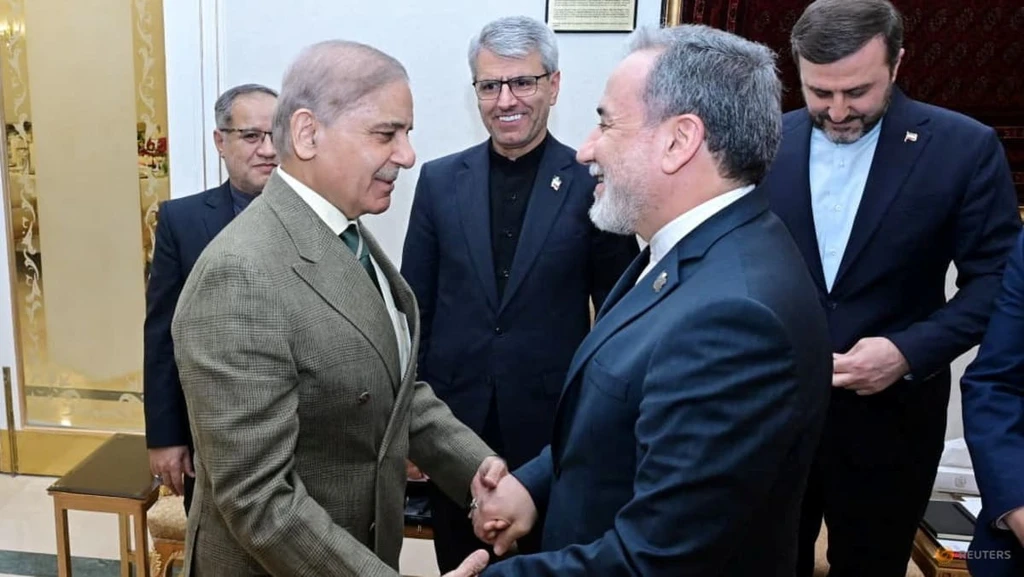
Hopes for peace between the United States and Iran have receded, with President Donald Trump canceling his envoys' visit to Pakistan for negotiations. Iranian Foreign Minister Abbas Araghchi continued diplomatic efforts, shuttling between mediating countries like Pakistan and Oman. However, US forces removed security equipment from Islamabad, signaling a halt to imminent talks.
The conflict, which began with US-Israeli strikes on Iran on February 28, has resulted in thousands of casualties, driven up oil prices, and fueled inflation. Iran has largely closed the Strait of Hormuz, while Washington has imposed a blockade on Iranian ports.
Trump stated that he canceled the visit due to excessive travel and expense for what he deemed an insufficient Iranian offer. He described internal disarray within Iran's leadership and asserted that the US holds all the leverage. Iran's President Pezeshkian countered that Tehran would not engage in "imposed negotiations" and called for the removal of US obstacles, including the maritime blockade, before settlement groundwork could be laid.
The war has destabilized the Middle East, with Iran striking Gulf neighbors and renewed conflict between Israel and Hezbollah in Lebanon.