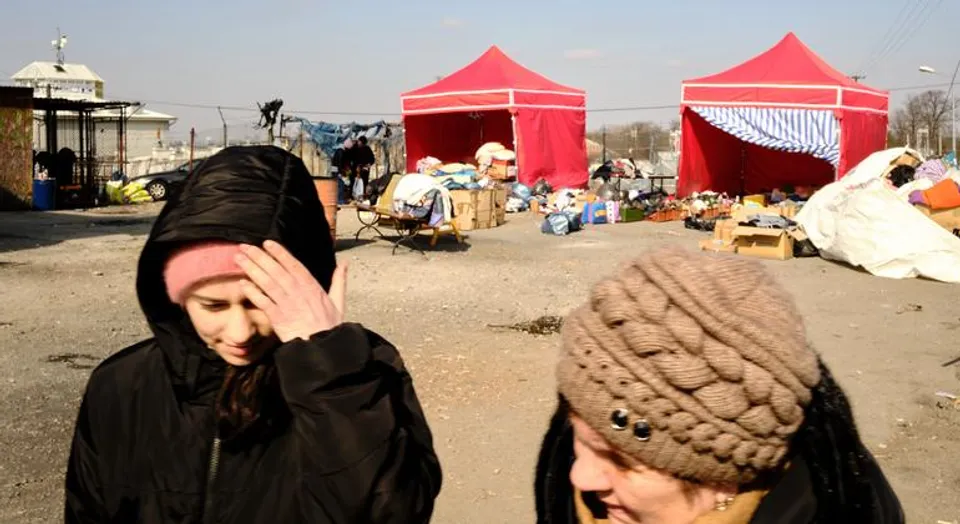
Four years into the conflict, Ukraine's women are nearing a breaking point as relentless attacks on energy and healthcare infrastructure continue. UN humanitarians report that the destruction of 65% of Ukraine's energy generation capacity leads to prolonged blackouts, severely impacting women's safety, mobility, and economic security. These disruptions disproportionately affect women in sectors like education, health, and retail, leading to job losses.

UN Women noted 2025 as the deadliest year for women in the conflict, with over 5,000 confirmed killed and 14,000 injured since February 2022. Despite facing severe funding cuts, women-led organizations are crucial to the humanitarian response, providing essential services. However, a third of these organizations warn they may not survive the next six months, risking a loss of access to vital support for an estimated 63,000 women in 2026.
Attacks on energy infrastructure also disproportionately harm vulnerable groups, including the elderly, people with disabilities, and those with chronic illnesses, exacerbating health issues and isolation. The conflict's toll on healthcare is compounded by widespread attacks on medical facilities. The World Health Organization confirms over 2,870 attacks on healthcare, resulting in significant casualties. The number of people with disabilities has risen by over 10%, yet essential support and freedom of movement remain severely limited.