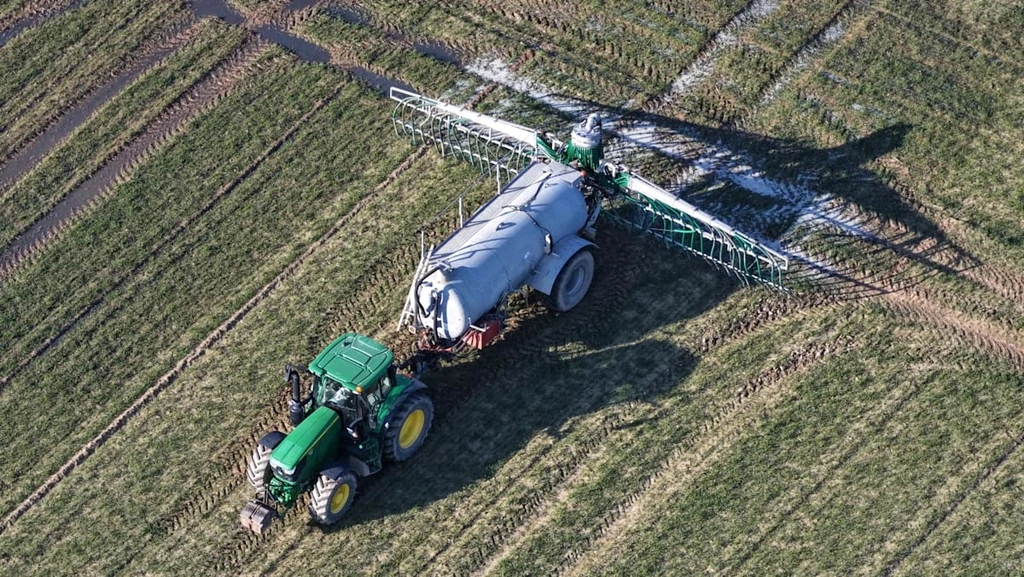
The conflict in the Middle East is significantly disrupting fertilizer supplies from the Gulf region, leading to a sharp increase in global prices and posing serious risks to food security.
A third of all fertilizers shipped by sea originate from this region. However, Iran's actions have effectively closed the Strait of Hormuz, preventing these vital shipments from reaching the global market. The UN has voiced particular concern about the impact on developing countries.
The Gulf is a key manufacturer of artificial fertilizers, primarily due to its abundant natural gas reserves, a critical feedstock for production. The region accounts for nearly half of the world's sulfur sales and a third of urea, the most widely traded fertilizer. It also produces a quarter of globally traded ammonia.
Major food-producing nations, including the United States and Australia, rely heavily on Gulf nations for urea and phosphate. Brazil, the world's top soybean producer, imports most of its urea from Qatar and Iran.
While Europe sources only 11% of its urea from the Gulf, it faces indirect impacts. Morocco, a significant supplier of phosphorus-based fertilizers to Europe, depends on the Gulf for sulfur. Additionally, Egypt, a key urea supplier to the EU, is experiencing a halt in natural gas supplies from Israel, driving up Egyptian urea prices.
Without essential fertilizer inputs like nitrogen, phosphorus, and potassium, global crop production could decline by a third. Nitrogen fertilizers, in particular, require substantial energy, often derived from natural gas. Sulfur, a co-product of the oil and gas industry, is also integral.
Beyond the duration of the conflict, concerns linger about potential damage to fertilizer production facilities, which could delay a return to normalcy. The outlook for the upcoming sowing season in the southern hemisphere, beginning in June, remains uncertain.