The European Union is grappling with the dual challenge of rising energy prices and geopolitical instability as tensions in the Middle East escalate. Since military strikes against Iran began on February 28, gas and oil prices in the EU have surged by 70% and 60%, respectively.
Energy Commissioner Dan Jørgensen has defended the bloc's commitment to climate neutrality, emphasizing that reliance on fossil fuels increases exposure to external shocks. Despite growing calls from Germany and Italy to restart coal plants, the EU remains firm in its stance against reverting to Russian fossil fuels.
Germany and Italy are investing in renewables like offshore wind and hydrogen to bolster energy independence. Still, analysts warn that reliance on imported gas and oil remains risky.
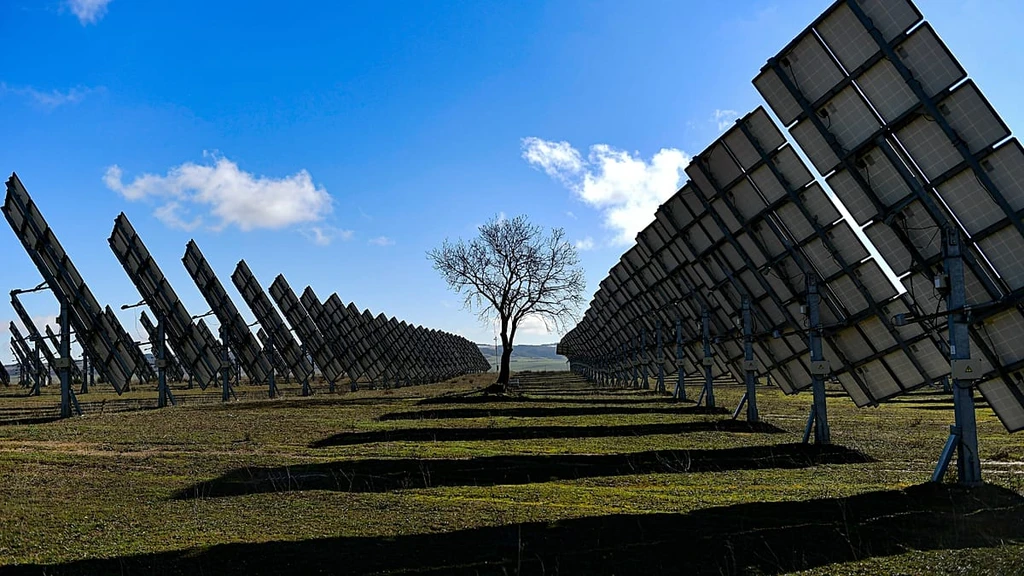
Spain and Portugal stand out as models of energy resilience due to their heavy use of wind, solar, and hydro power, keeping electricity bills stable despite global price volatility.
The EU plans to accelerate infrastructure upgrades and electrification efforts to reduce dependence on fossil fuels and strengthen long-term energy security.