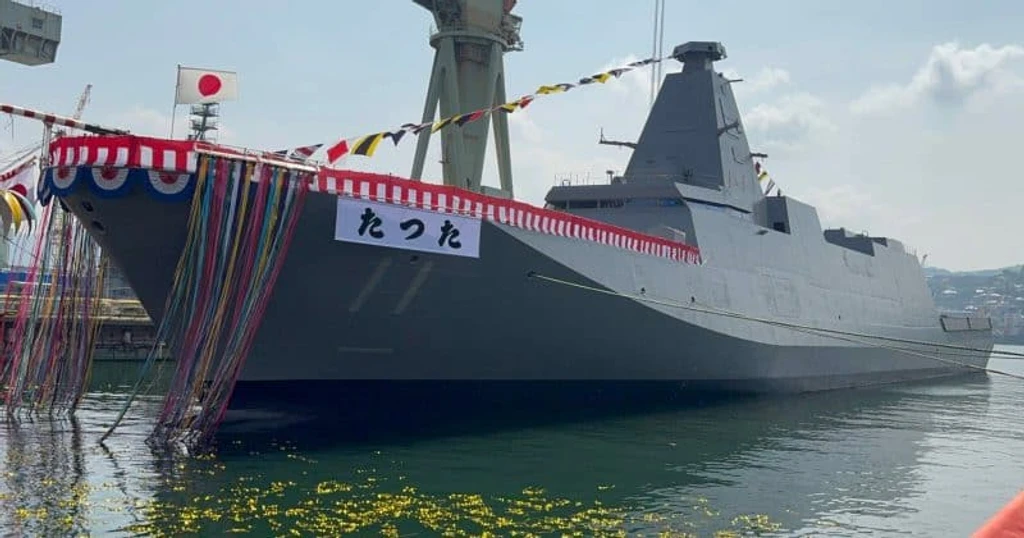
For decades, Japan’s defense industry was restricted from selling weapons. This has changed with Japan marketing its Mogami-class frigate internationally. A significant contract signed in April 2026 with Australia includes 11 upgraded vessels, marking Japan’s largest postwar defense export initiative. Mitsubishi Heavy Industries leads the project, with the first three frigates set for delivery by 2029.
Designed for multi-mission operations like anti-submarine warfare and air defense, the Mogami-class frigate features a stealth-optimized hull and can operate with a crew of about 90, which is cost-effective compared to similar frigates that require over 100 crew members. Its operational reach extends to 10,000 nautical miles, capable of crossing the Pacific without refueling.
Japan's defense export policy began to relax in 2014, allowing arms transfers under specific conditions. The Australia contract includes technology transfers, with future ships to be constructed in Australian yards. Nations such as New Zealand, Indonesia, the Philippines, and Taiwan are also interested in the Mogami-class design as of mid-2026.
Historically, European shipbuilders like Babcock and Fincantieri dominated the Indo-Pacific frigate market. Japan's entry presents new competitive dynamics, aided by geographical proximity. The co-production aspect might enable Australian shipyards to supply Japan-designed vessels to other regional operators.
Japan's arms export policies remain sensitive. The potential sale of frigates to Taiwan poses a significant diplomatic challenge for Tokyo, highlighting the complexities of Japan's international defense strategy.