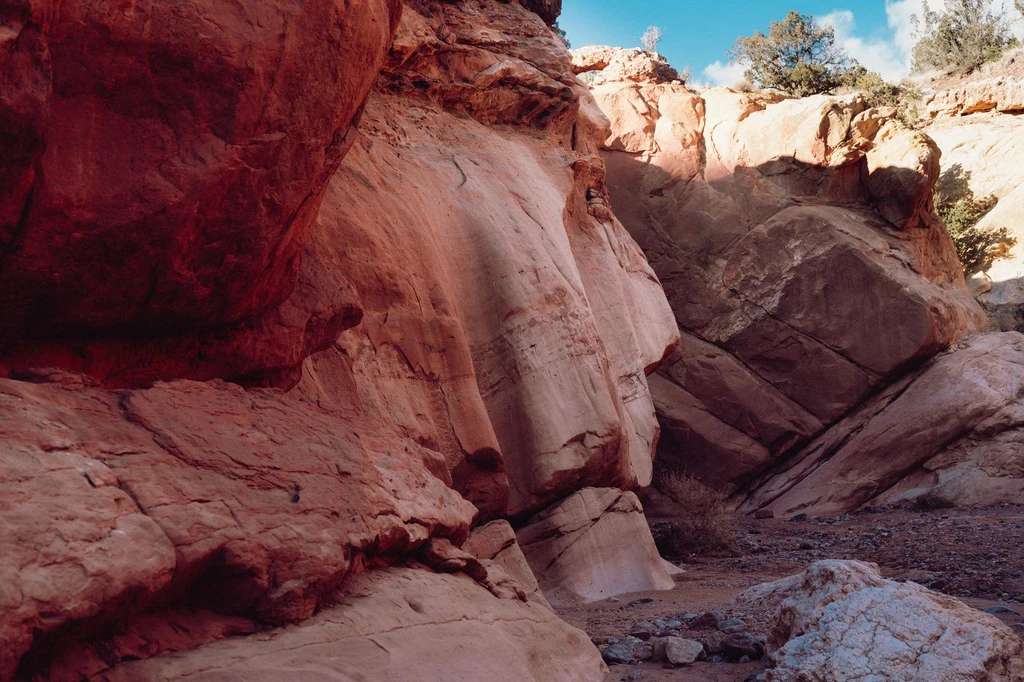
Fewer than 100 mature Wollemi pines survive in the wild. Their exact location in New South Wales remains a state secret, guarded by rangers who access the site via helicopter in sterilized boots to prevent biological contamination.
Known as Wollemia nobilis, this species was thought extinct for 90 million years, known only through Cretaceous fossils. In 1994, park ranger David Noble discovered a living grove in a remote sandstone canyon. The trees feature distinctive bubbled bark and fern-like foliage, representing a lineage that predates flowering plants.
Genetic analysis reveals the wild population is nearly uniform, with every tree effectively a clone. This lack of diversity makes the species highly vulnerable to disease, particularly Phytophthora cinnamomi, a soil-borne pathogen detected in the canyon.
During the 2019 Black Summer bushfires, firefighters executed a high-risk operation to save the grove, using waterbombing helicopters and ground irrigation. The trees survived, marking one of conservation history's most targeted plant rescues.
To ensure survival, the Royal Botanic Garden Sydney launched a commercial propagation program. Thousands of Wollemi pines now grow in botanic gardens and private collections globally, from Kew Gardens in London to backyards in Tokyo. This ex situ strategy serves as an insurance policy against extinction in the wild.
The Wollemi pine stands as a botanical Lazarus taxon, similar to the coelacanth. Its persistence highlights Australia's unique ability to harbor deep-time lineages in isolated refugia, while raising complex questions about secrecy, public trust, and the future of conservation in an era of escalating climate risks.