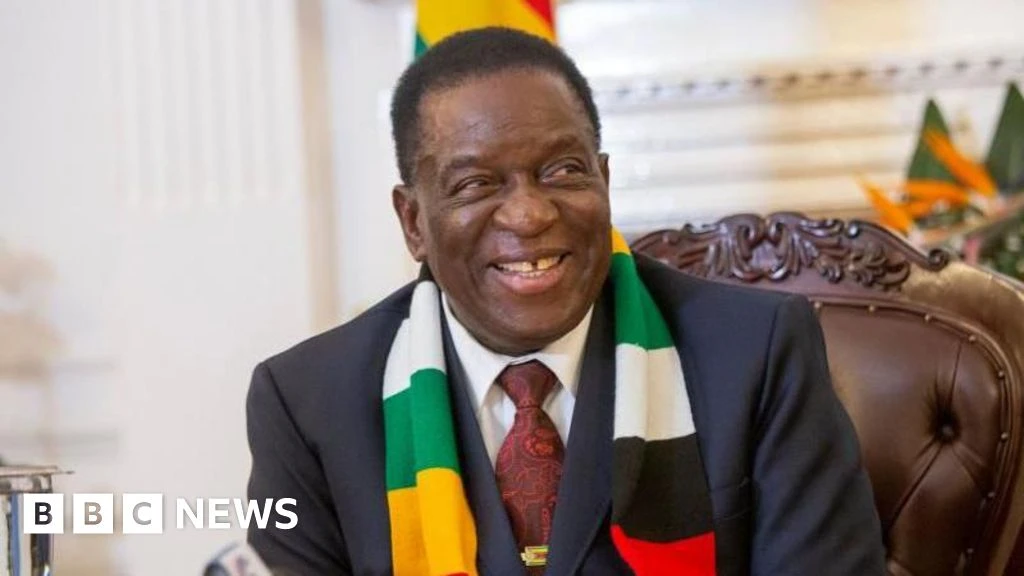
Zimbabwe’s lower house of parliament has passed a landmark constitutional amendment extending presidential terms from five to seven years. The legislation effectively allows President Emmerson Mnangagwa to remain in power until 2030, bypassing his scheduled 2028 departure.
More than 200 lawmakers voted in favor of the bill on Thursday, surpassing the two-thirds majority required for constitutional changes. Crucially, the amendment abolishes direct presidential elections. Future heads of state will now be selected by parliament rather than the electorate.
The ruling Zanu-PF party has championed these changes despite previous pledges by Mnangagwa to respect term limits. The 83-year-old leader took power in 2017 following a military-backed transition that ousted Robert Mugabe. His subsequent victories in 2018 and 2023 were marred by disputes over electoral integrity.
Opposition parties and civil society groups argue such fundamental shifts require a national referendum. However, the Constitutional Court dismissed legal challenges seeking to block the bill earlier this week. The legislation now moves to the senate, where approval is expected before presidential enactment.
Critics warn the amendments signal significant democratic backsliding in a nation already facing severe economic headwinds. Supporters maintain the changes are necessary to ensure political continuity and stability during a fragile recovery period.