As oil prices surge past $100 amid escalating Middle East tensions, the primary concern for the Bitcoin network and its miners is not rising power bills, but the potential impact on Bitcoin's price.
Research from Luxor’s Hashrate Index reveals that only 8% to 10% of global Bitcoin hashrate operates in electricity markets directly linked to crude oil prices. These operations are largely concentrated in Gulf states like the UAE and Oman, with minor contributions from Iran, Kuwait, Qatar, and Libya.
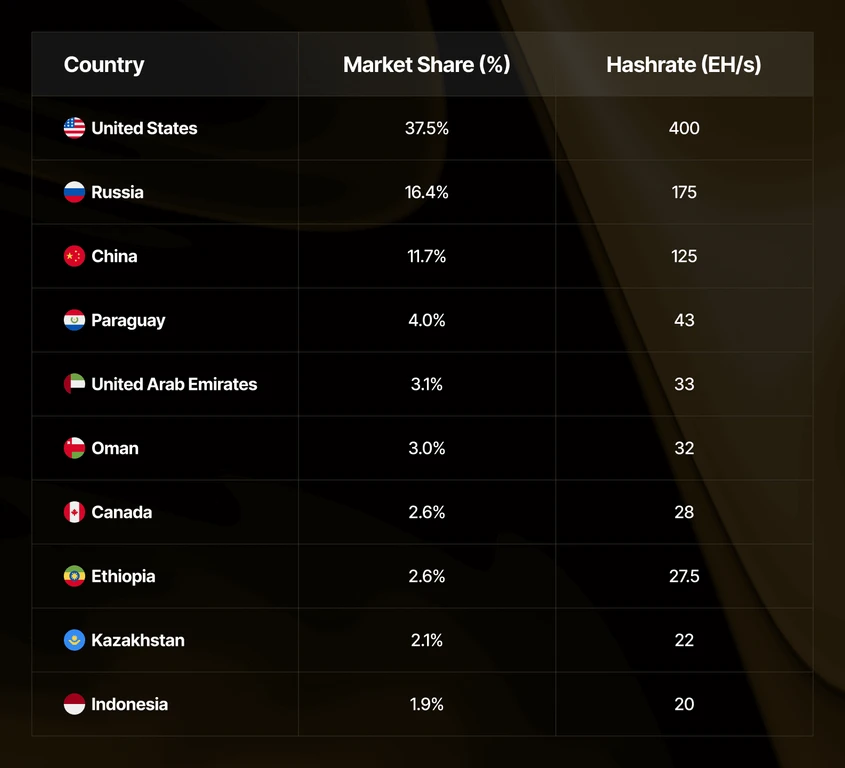
The remaining 90% of the network operates in regions where electricity prices are determined by natural gas, coal, hydro, or nuclear energy, making them largely immune to direct crude oil price fluctuations.
While higher electricity costs could impact a small segment of miners, Luxor argues that the greater risk stems from how geopolitical shocks influence Bitcoin's price. Periods of macroeconomic stress often lead to risk-off sentiment in financial markets, pressuring volatile assets like Bitcoin. Miner profitability is significantly more sensitive to Bitcoin's price changes than to shifts in electricity costs.