
Bitcoin developers are preparing for the emergence of quantum computing, a potential threat to current cryptographic security. The recently published Bitcoin Improvement Proposal 360 (BIP-360) formally adds quantum resistance to Bitcoin's long-term roadmap.
This proposal is not a radical cryptographic overhaul but an incremental step. BIP-360 introduces Pay-to-Merkle-Root (P2MR), a new output type that removes the vulnerable key path spending option found in Taproot. Instead, P2MR forces all transactions through script paths, significantly reducing the exposure of elliptic curve public keys. This is crucial because while Bitcoin's SHA-256 hashing remains relatively strong against quantum attacks, public keys are susceptible to Shor's algorithm on powerful quantum computers.
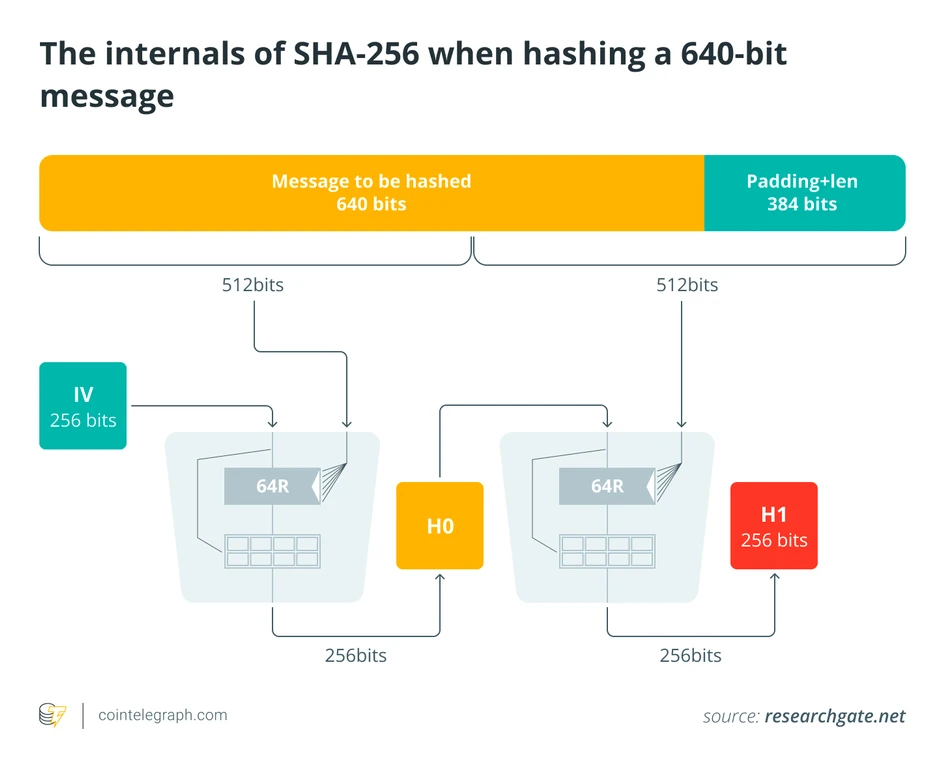
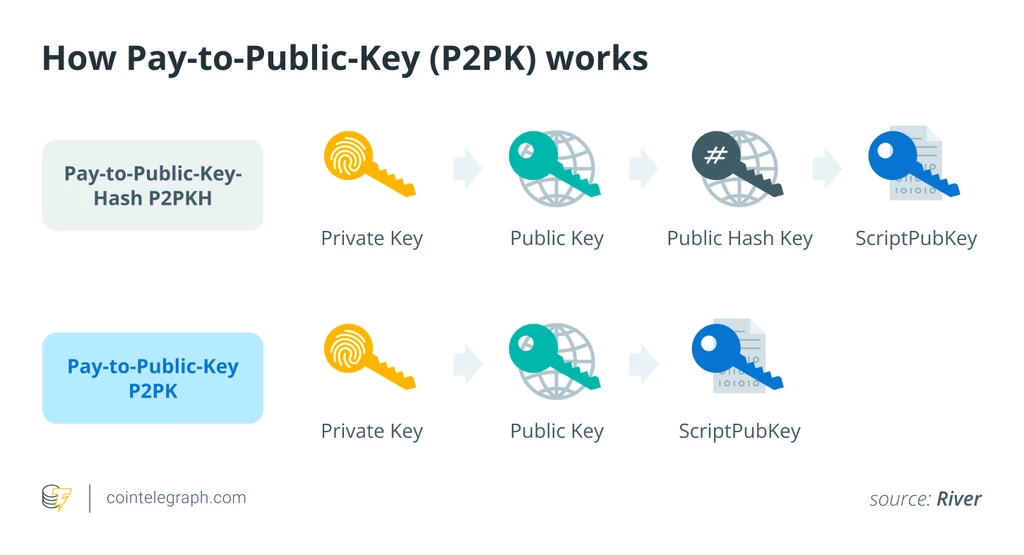
The primary quantum risk for Bitcoin lies in public keys becoming exposed on the blockchain, particularly from reused addresses or legacy pay-to-public-key outputs. Taproot's key path spend, which exposes a tweaked public key, is also a theoretical weak point.
BIP-360 addresses this by committing solely to the Merkle root of a script tree. Spending requires revealing a script leaf and providing a Merkle proof, eliminating any direct public key-based spending route. This dramatically shrinks the attack surface, making spending routes far more resilient to quantum threats.
Importantly, BIP-360 preserves smart contract flexibility, supporting multisig setups, timelocks, and complex custody structures through Tapscript Merkle trees. While the convenient, but vulnerable, direct signature shortcut is removed, full scripting capability remains intact. The trade-off is slightly larger transactions and potentially increased fees compared to Taproot key path spends.
However, BIP-360 does not automatically upgrade existing Bitcoin holdings. Old unspent transaction outputs remain vulnerable until users manually move funds to P2MR addresses. It also does not introduce new post-quantum signature schemes. A full transition to quantum immunity would require a much larger, coordinated base layer change and ecosystem-wide adoption.
Developers are acting now due to the significant lead time required for critical infrastructure migrations. Planning for BIP design, software updates, and user adoption must begin years in advance. The activation of P2MR output would be the first step, followed by wallet and custodian support, and a gradual user migration over time.
For users, prudent steps include avoiding address reuse, using up-to-date wallet software, and monitoring protocol upgrade news. While quantum threats are not imminent, those with significant holdings should consider contingency plans.