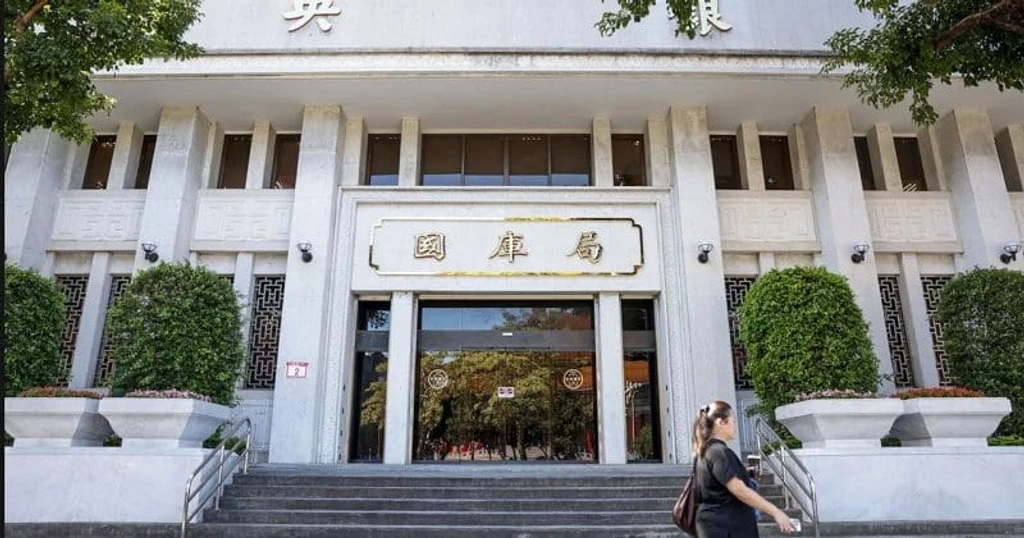
Taiwan’s central bank is now actively debating the inclusion of Bitcoin in its national reserves.
On April 29, Legislator Dr. Ko Ju-Chun presented a Bitcoin Policy Institute (BPI) report to Premier Cho Jung-tai and Central Bank Governor Yang Chin-long. The core argument centers on geopolitical resilience. Taiwan currently holds $602 billion in foreign exchange reserves, with over 80% concentrated in US dollar-denominated assets. The BPI report, published in March 2026, suggests Bitcoin offers a hedge against extreme crises, including a potential blockade.
Dr. Ko formally requested the central bank produce a new assessment on stablecoins and digital asset reserves within one month, setting a deadline for late May. This follows an internal evaluation in late 2025, where the bank deemed Bitcoin unsuitable due to volatility, liquidity, and custody concerns. However, the bank subsequently committed to a digital asset sandbox experiment using 210 seized Bitcoin.
This legislative push follows the United States’ establishment of its Strategic Bitcoin Reserve in 2025.
From an investment perspective, the figures are significant. A hypothetical 1% allocation from Taiwan’s reserves would equate to approximately $6 billion in buying pressure. The immediate catalyst to watch remains the sandbox project. The central bank’s conclusions on custodial solutions will likely dictate future reserve policy more than any single legislative presentation.