
European banks and corporations are moving beyond exploration to actively select infrastructure partners for stablecoin adoption. Lamine Brahimi, co-founder of Taurus, reports that firms with board-level approval are preparing to launch, a shift accelerated by the Markets in Crypto-Assets Regulation (MiCA).
Financial institutions now conclude that digital assets, including stablecoins, belong within the existing banking infrastructure. Corporate treasury teams are leading demand, seeking to use stablecoins for faster payments, reduced costs, and operations outside traditional banking hours.
ClearBank Europe has become the first Dutch credit institution approved under MiCA to offer digital asset services. Meanwhile, a consortium of major European banks, including ING and UniCredit, is developing Qivalis, a MiCA-compliant euro stablecoin initiative.
Societe Generale is positioning its stablecoins for cross-border payments and cash management, while Oddo BHF has launched a MiCA-compliant euro stablecoin. A separate consortium is preparing a Swiss-franc stablecoin for the second half of 2026.

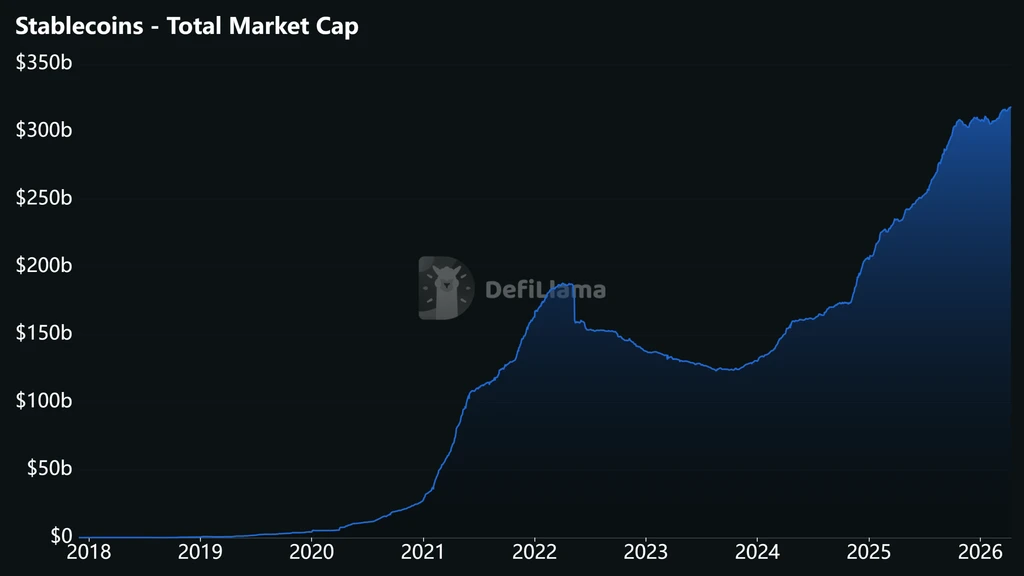
Demand for stablecoins in the EU is rising, with USDC volume on Paybis climbing significantly. Average stablecoin transaction sizes are also larger than typical Bitcoin or Ether trades, indicating use for working capital and settlement.
Projections suggest stablecoin transaction volumes could reach $719 trillion by 2035, or even $1.5 quadrillion in aggressive scenarios where stablecoins become dominant payment infrastructure. Experts anticipate stablecoins will become increasingly vital for corporate treasury, cross-border settlement, and FX.