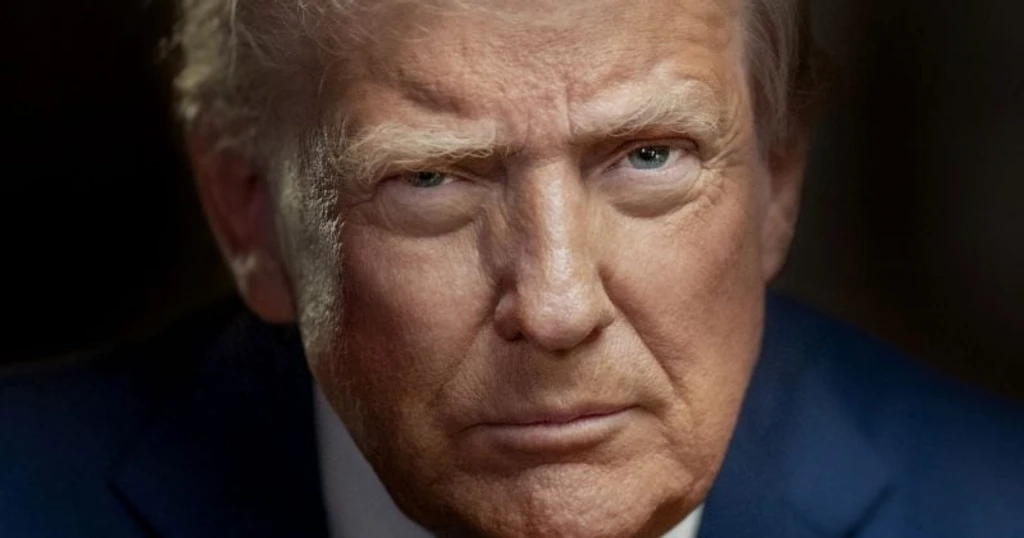
President Trump signed an interim nuclear agreement with Iran on June 18, but paired it with a stark warning: comply fully or face renewed military strikes.
The memorandum of understanding gives both sides 60 days to finalize a permanent accord. Iran has agreed to begin diluting its enriched uranium stockpile, while the U.S. partially waives sanctions to allow Iranian oil back onto global markets.
On the crypto front, Treasury Secretary Scott Bessent announced on May 29 the seizure of approximately $1 billion in Iranian digital assets. The action followed sanctions on June 2 against Nobitex, Iran’s leading digital asset exchange, which reportedly handled more than half of the country’s crypto transactions last year.
The current crisis traces back to February 28, when the U.S. launched airstrikes against Iran. A ceasefire on April 7 opened the door to negotiations that led to the June 18 memorandum. Trump has been explicit that this is not a final deal, and he remains ready to resume military operations if Tehran does not uphold its commitments.
The $1 billion crypto seizure is the largest public enforcement action against a sovereign nation’s digital holdings. The designation of Nobitex signals that centralized exchanges operating in sanctioned jurisdictions are not beyond U.S. reach.
For investors, the 60-day timeline creates a clear window of geopolitical risk. Iranian compliance could reduce market volatility and normalize energy flows; defiance would likely trigger shocks across traditional and crypto markets.