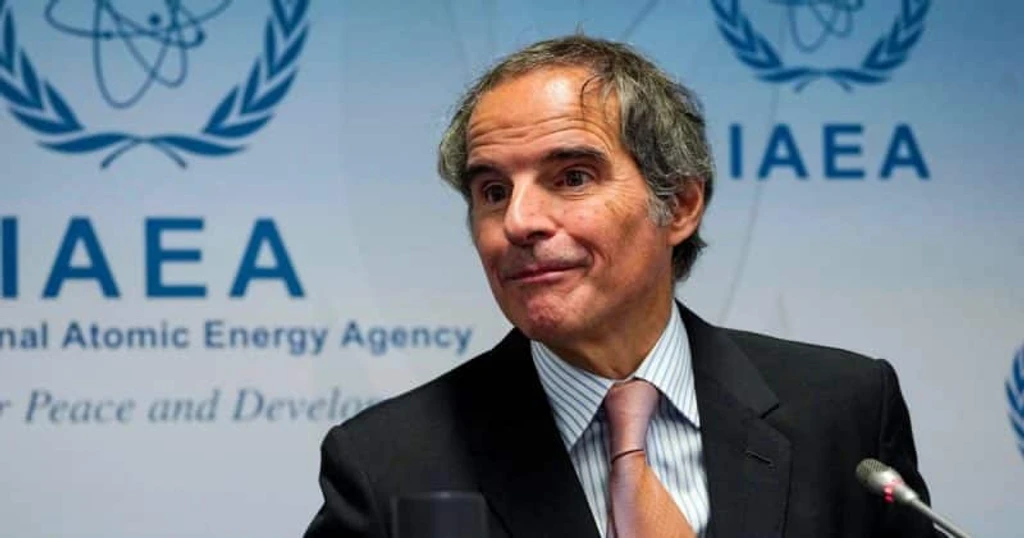
IAEA Director General Rafael Grossi confirmed on June 24, 2026, that international nuclear inspections in Iran will resume following an interim peace accord between Washington and Tehran. The modalities and timeline are still being determined.
Iran’s Foreign Ministry immediately pushed back, rejecting claims that Tehran had agreed to any new commitments, particularly regarding access to sites damaged in the June 2025 US-Israeli strikes. Iran insists its existing obligations under the Nuclear Non-Proliferation Treaty (NPT) cover what inspectors can see, with no additional protocols required for bombed facilities.
US officials, however, maintain that a firm agreement exists. The two sides have effectively announced the same deal with incompatible descriptions.
The inspections gap began after the 2025 strikes, which knocked out key Iranian nuclear infrastructure. Iran suspended cooperation with the IAEA, withdrawing inspectors and cutting off the world’s primary window into its program. At the time, the IAEA had approximately 400 kilograms of uranium enriched to 60% U-235 under safeguards-just short of weapons-grade at 90%. The physical integrity of that stockpile remains unverified.
Partial activity resumed at the Bushehr nuclear power plant, which was not targeted, but enrichment and weapons-relevant sites remain a black box. The IAEA’s ability to verify Iran’s stockpiles and assess post-strike material safety is the foundation for any durable diplomatic settlement.