
This week, the cryptocurrency market faces a critical juncture not due to token-specific events, but a potential global inflation surge. Escalating conflict in the Middle East has triggered the largest oil supply shock in history, with production plummeting and shipping disrupted. Analysts warn this could significantly impact market sentiment, economic growth, and inflation.
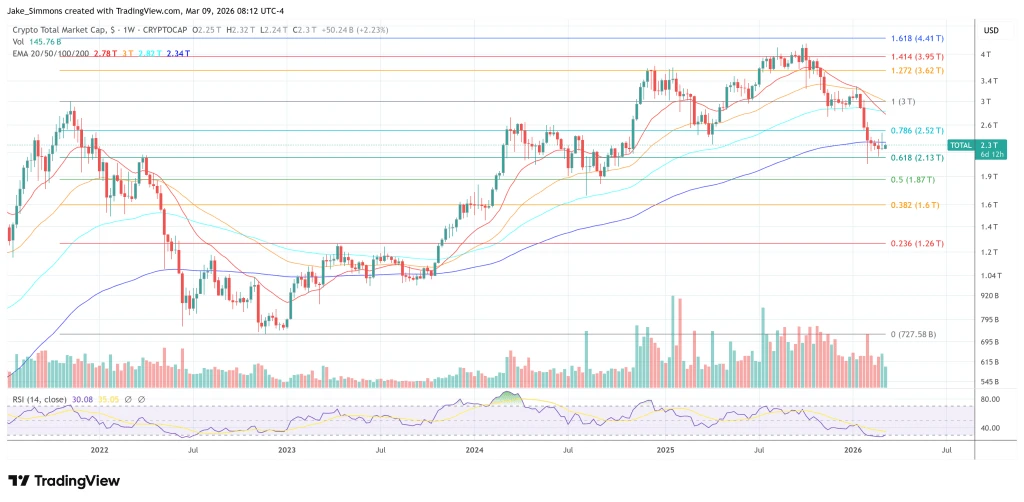
Key economic indicators, including February CPI and January PCE reports, are set to provide further insight. These figures will be closely scrutinized against the backdrop of elevated oil prices. The market is particularly sensitive to inflation data following a recent surge in crude oil prices. Analysts suggest that sustained higher oil prices could push U.S. CPI significantly higher.
Economic growth data, including the second estimate for Q4 2025 US GDP, will also be released. While early estimates indicated a slowdown in growth, any revisions will be watched closely. The delayed January PCE report, a key inflation gauge for the Federal Reserve, is expected to show a slight uptick in core inflation.
Bitcoin's current trading position reflects its strong ties to broader risk appetite and the tech sector. The ongoing geopolitical situation has bolstered yields and the U.S. dollar, diminishing hopes for immediate interest rate cuts. If inflation data remains firm and oil prices stay elevated, the crypto market is likely to face continued pressure. Conversely, contained inflation figures despite the oil shock could offer some relief and allow the market to reprice away from stagflation fears.