
The launch of U.S. spot bitcoin ETFs, like iShares Bitcoin Trust (IBIT), has fundamentally altered bitcoin's market structure. Billions of dollars have flowed into these regulated vehicles, leading to a rapid expansion of IBIT options trading. Open interest in IBIT options now reaches billions, with activity on some days rivaling major crypto exchanges.
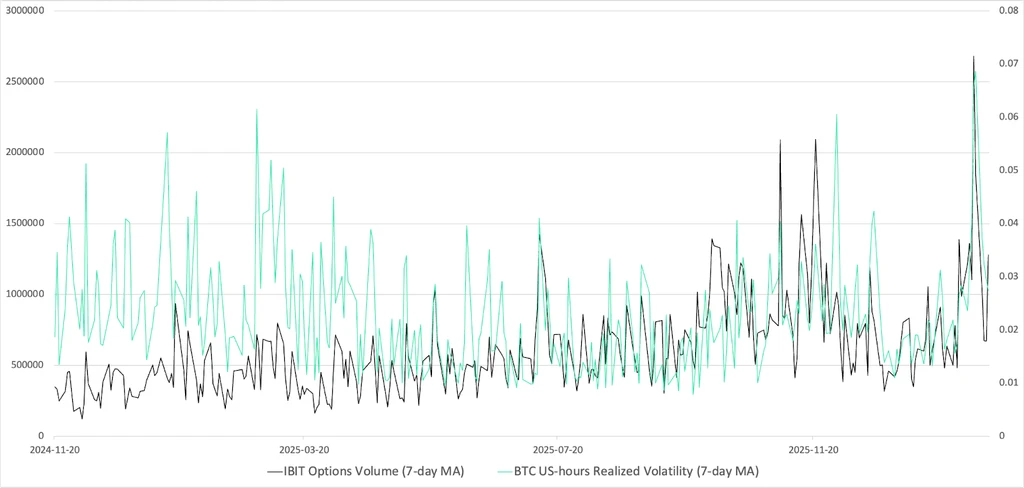
This shift moves bitcoin volatility drivers from offshore leverage to onshore gamma hedging. When investors buy ETF options, dealers hedge their exposure. If dealers are short gamma, they must buy as prices rise and sell as prices fall, amplifying market moves. Because ETFs hold physical bitcoin, these hedging flows transmit directly into the underlying market.
This dynamic means bitcoin now experiences positioning mechanics similar to equity indices. Periods of sustained option buying, especially in low-volatility environments, can leave market makers short convexity. When prices break, hedging flows can reinforce a feedback loop, amplifying both downturns and rebounds.
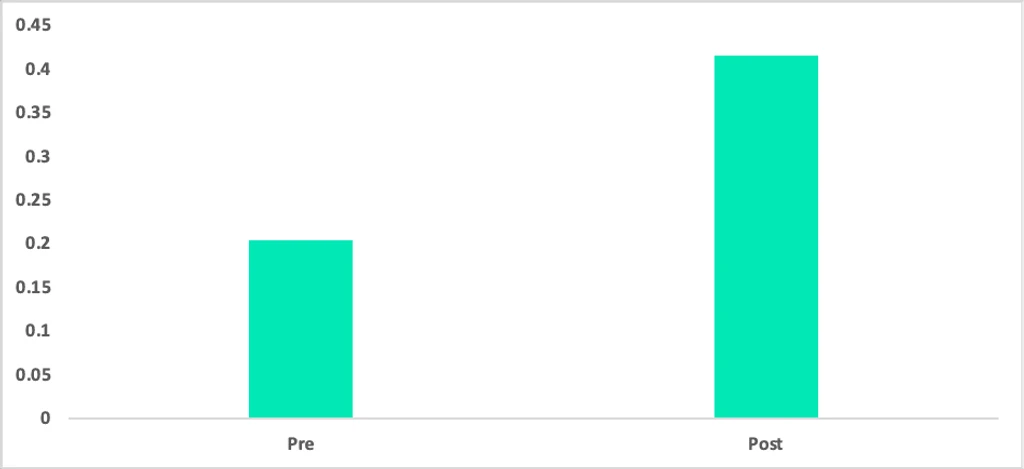
While the "digital gold" narrative persists, bitcoin's correlation with the Nasdaq has strengthened since the advent of IBIT options, suggesting it increasingly acts as a leveraged tech proxy. The success of IBIT and its options embeds bitcoin within traditional financial system mechanics, where short-term price action is shaped by positioning, hedging, and cross-asset flows.