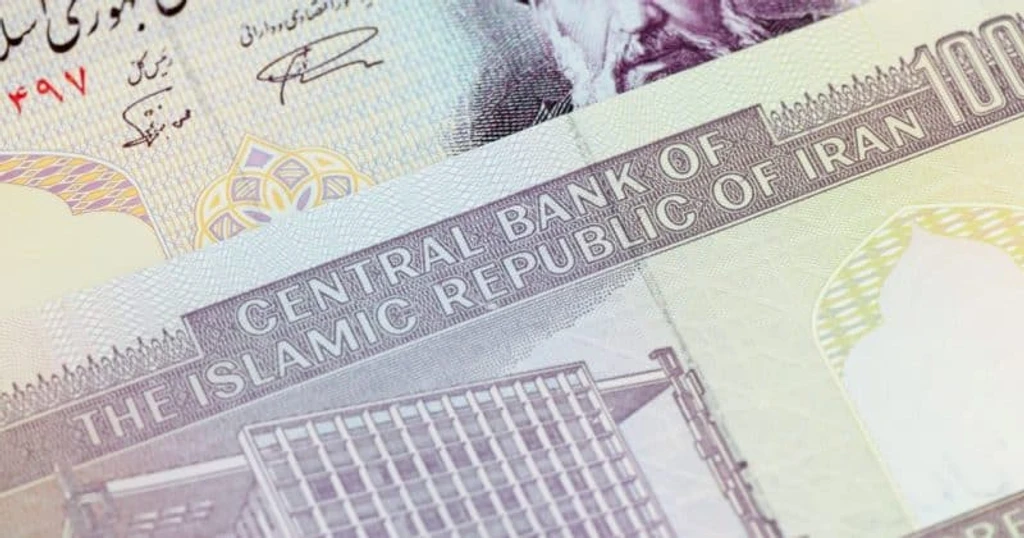
Iran’s central bank has added $4.5 billion to its foreign currency reserves amid a severe currency crisis and escalating sanctions targeting over 1,000 Iranian entities. The rial has recently traded as low as 1.4 million per US dollar.
To stabilize the rial, the Central Bank of Iran (CBI) acquired $507 million in Tether's USDT stablecoins. However, Tether froze approximately $344 million in USDT linked to CBI-affiliated wallets, severely impacting CBI's crypto reserves.
Sanctions imposed by the US since February 2025 have intensified, particularly against prominent Iranian crypto exchanges like Nobitex, which managed over 50% of the country's digital asset inflows. Currently, Iran’s accessible foreign reserves stand around $24 billion, with total reserves historically estimated between $30 billion and $50 billion.
The CBI’s strategy pivots toward digital currencies as a solution to the sanctions crisis. While discussions about the release of frozen assets continue, rapid escalation in sanctions enforcement complicates the situation.
The accumulation of USDT highlights the risks sovereign entities face in blockchain finance. Tether's ability to freeze assets underscores the importance of counterparty risk in digital transactions, particularly amid heightened compliance measures following sanctions.