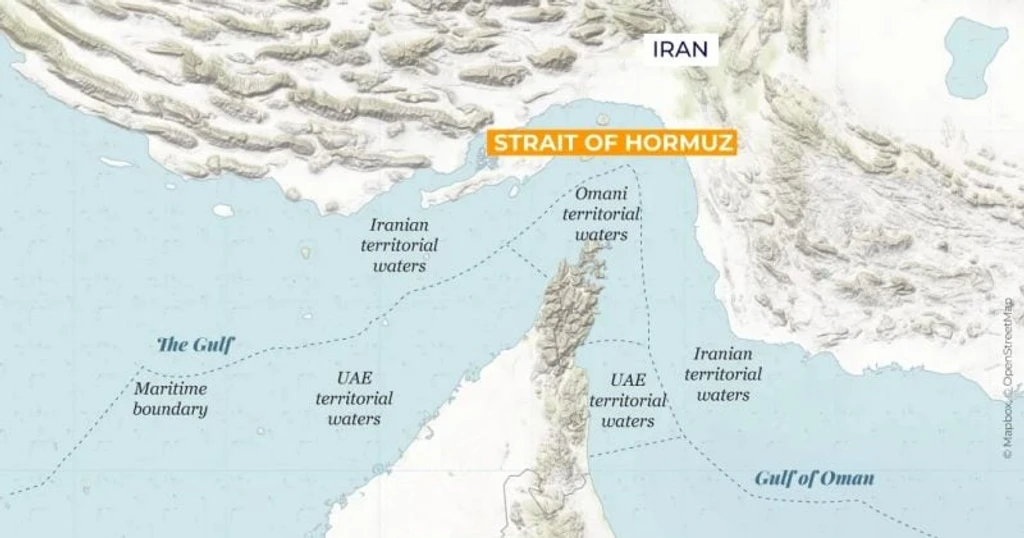
Iran suspended indirect negotiations with the United States on June 1, citing ongoing Israeli military operations in Lebanon and Gaza as the breaking point. Tehran views these operations as violations of ceasefire agreements, and is backing up its frustration with a major economic threat: closing the Strait of Hormuz.
The Strait handles roughly 20-25% of the world's oil and liquefied natural gas trade.
The broader confrontation between Iran and the US has been building since late February 2026, with a cycle of ceasefire attempts, naval blockades, and negotiations through intermediaries including Pakistan. Ceasefire talks have repeatedly collapsed over Israeli actions in Lebanon and unresolved nuclear discussions.
Iran has been exploring Bitcoin-based transit fees for vessels passing through the Strait, estimating the cost at around $1 per barrel for loaded tankers. This allows Iran to sidestep the traditional financial system cut off by US sanctions. American officials have seized Iranian-linked crypto assets worth hundreds of millions, turning the blockchain into another theater of conflict.
Bitcoin's price has tested highs around $73K, with fluctuations tied to announcements about stalled negotiations and military escalations. The correlation between Bitcoin and oil prices during these episodes is noteworthy.