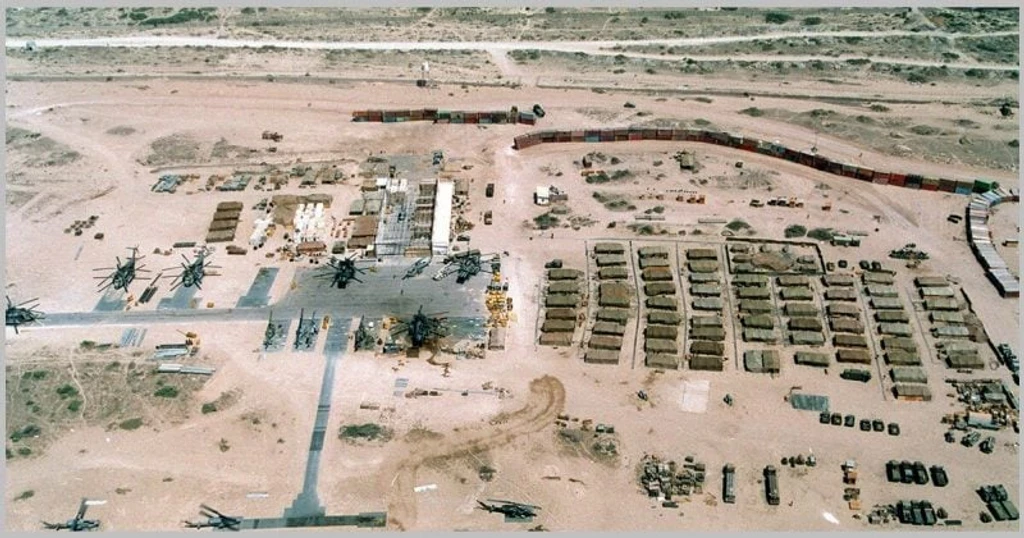
Iran's Islamic Revolutionary Guard Corps launched missile and drone strikes against US military installations in Kuwait and Bahrain on July 13-14. The operation targeted Ahmed Al-Jaber Air Base in Kuwait and Sheikh Isa Air Base in Bahrain, among others. The IRGC claimed the complete destruction of radar systems and Patriot missile batteries, framing it as part of an ongoing campaign against American assets.
Jordan's military intercepted missiles connected to the same wave of strikes. No confirmed casualties have been reported by US or Kuwaiti authorities.
This military escalation is transmitting shocks directly into financial markets. Higher energy costs are fueling inflation expectations, which in turn influence central bank policy. A tighter monetary environment means less capital flowing into speculative assets like cryptocurrencies.
Traders are closely monitoring stablecoin flows as a real-time sentiment gauge. A move of capital into USDT and USDC typically signals a risk-off shift. The primary concern within digital asset markets is the potential for a sustained oil price spike. Such an event could force the Federal Reserve into a more hawkish stance on interest rates, significantly draining liquidity from the crypto ecosystem.