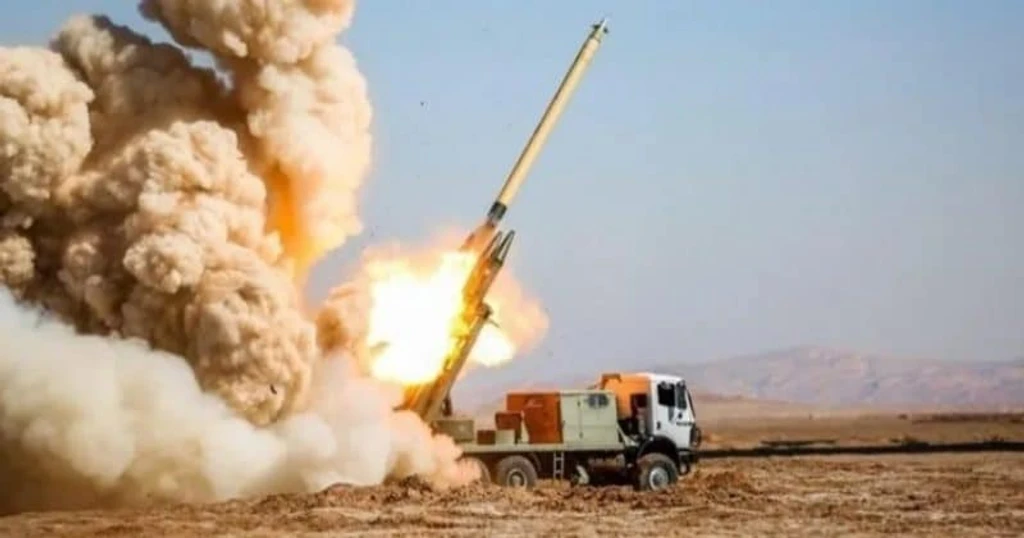
The Islamic Revolutionary Guard Corps launched coordinated missile and drone strikes against 22 U.S. military targets across Jordan, Bahrain, and Kuwait on June 10, 2026. Key facilities hit included the al-Azraq airbase and the U.S. Fifth Fleet headquarters in Bahrain.
This escalation follows U.S. strikes on Iranian infrastructure on June 3, which damaged communications and water systems in Jask, Sirik, and Qeshm Island. The simultaneous launch of missiles and drones complicates air defense responses, signaling a significant intensification of hostilities.
Crypto markets reacted swiftly to the news. Earlier military exchanges in 2026 triggered approximately $1 billion in Bitcoin liquidations. Investor sentiment shifted firmly to risk-off, with prices swinging markedly amid the unrest. Bitcoin’s sensitivity to rate expectations means sustained oil price spikes could create persistent headwinds for the asset.
Iran has long utilized cryptocurrency mining to circumvent international sanctions. This conflict highlights the uncomfortable intersection of geopolitics and digital assets, as Tehran leverages crypto to generate revenue outside the traditional banking system cut off by Western sanctions.
For investors, the scale of this strike represents a step-change in conflict intensity. Beyond immediate volatility, rising oil prices fuel inflation expectations, directly influencing Federal Reserve policy decisions that dictate broader market trends.