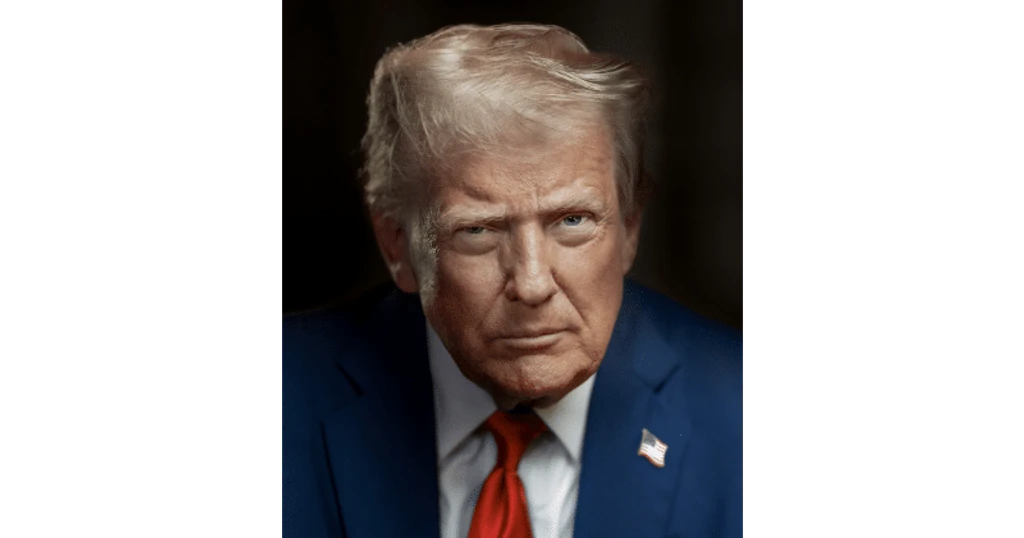
The Trump administration has proposed a new framework with Iran, set for formal signing on June 19 in Switzerland. The deal could release roughly $24 billion in frozen Iranian assets and unlock $300 billion in investment from Gulf states for private sector reconstruction.
Vice President JD Vance emphasized the funds are conditional on Iran’s nuclear compliance, calling it a performance-based approach distinct from the Obama-era JCPOA. Iranian sources claim $12 billion could be released early, a timeline unconfirmed by US officials.
Two weeks before the announcement, the US Treasury sanctioned Nobitex, Iran’s largest digital asset exchange. The action was part of a broader crackdown on Iranian crypto operations, which the Treasury estimates have caused nearly $1 billion in losses. The current agreement text lacks specific provisions for digital assets, leaving crypto in a regulatory gray zone.
Bitcoin climbed nearly 3% on the news, reflecting a shrinking geopolitical risk premium. A potential Iranian reintegration into global energy markets could alter the oil supply outlook. Despite the diplomatic framework, the Treasury’s aggressive enforcement posture signals compliance risks for crypto platforms interacting with Iranian entities remain unchanged.