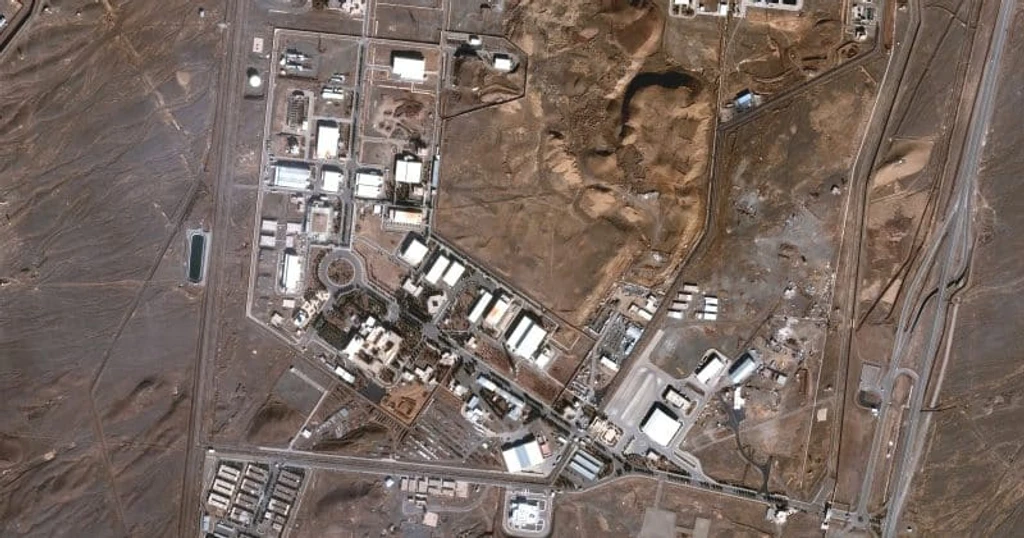
A senior Iranian official confirmed that Tehran and Washington have finalized a draft memorandum of understanding. The agreement addresses Iran’s nuclear program, the reopening of the Strait of Hormuz, and specific sanctions exemptions. Central to the deal is a proposal for Iran to dilute its stockpile of highly enriched uranium domestically under international supervision, rather than exporting the material.
Iran currently holds an estimated 440 kg of uranium enriched to 60%, a level the IAEA considers close to weapons-grade. The draft framework establishes a 60-day negotiation window to finalize inspection protocols and capability limits. This timeline is directly linked to the US lifting its blockade posture around the strategic Strait of Hormuz. Iranian officials frame the dilution approach as a sovereignty-preserving diplomatic resolution, while US representatives view it as a pathway to dismantle nuclear capabilities through long-term verification.
These negotiations occur under the Trump administration in 2026, following a period of heightened tensions that included US and Israeli strikes on Iranian facilities.
Parallel to diplomatic efforts, digital assets have become critical infrastructure for sanctions evasion. Iranian authorities have reportedly demanded cryptocurrency payments as tolls from vessels navigating the Strait of Hormuz. While US authorities have frozen approximately $344 million in Bitcoin wallets linked to the Iranian government, Tehran increasingly utilizes stablecoins like USDT. These assets provide dollar-denominated liquidity with greater speed and less volatility than Bitcoin, bypassing traditional banking restrictions.
For investors, potential sanctions relief could unlock a surge in Iranian oil exports, easing global supply pressures and reducing geopolitical risk premiums across equities and commodities. The status of the $344 million in frozen Bitcoin wallets serves as a key indicator. Progress in talks may lead to asset restructuring, while a collapse could trigger further enforcement actions, potentially suppressing prices on exchanges with exposure to sanctioned wallets.