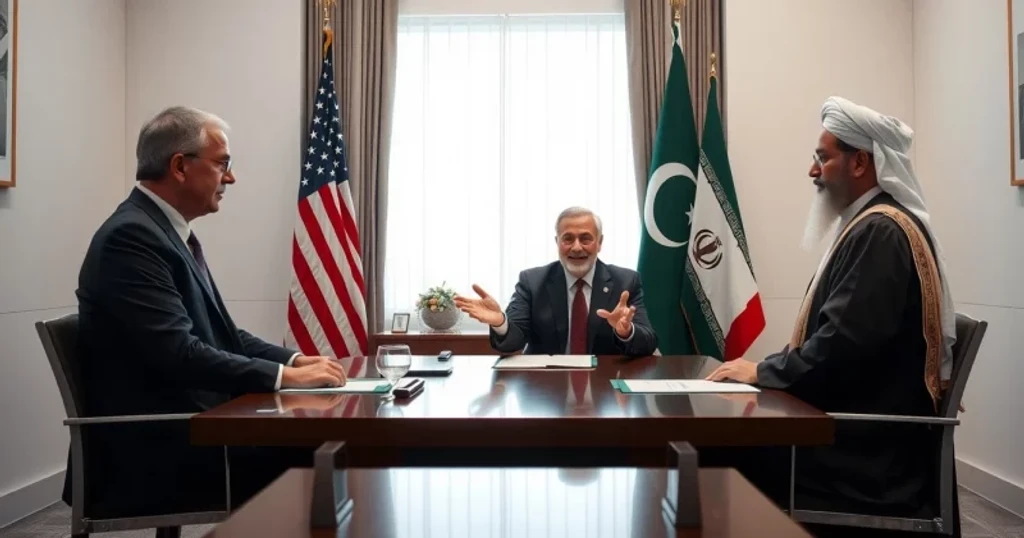
Iran, the United States, and mediator Pakistan all confirmed Saturday that progress has been made in negotiations aimed at ending a conflict that has stretched nearly three months. The war, which erupted in late February 2026, has rattled energy markets, tightened sanctions enforcement, and kept geopolitical risk premiums elevated across every asset class, including crypto.
US Secretary of State Marco Rubio acknowledged both sides have advanced through exchanged proposals, though substantial work remains.
Critical issues remain unresolved. Nuclear regulations and access to the Strait of Hormuz, through which roughly a fifth of the world’s oil passes, are still on the table.
The Crypto Angle: In April 2026, OFAC sanctioned two digital wallets linked to Iran’s Central Bank, freezing $344 million in assets connected to the IRGC-Qods Force and Hizballah. Iran’s broader cryptocurrency holdings reached approximately $7.8 billion by 2025. An estimated $3 billion in annual flows are tied to the IRGC through mining operations and stablecoin activities.
Market Implications: Analysts project a potential 10-15% short-term increase in Bitcoin prices if sanctions relief materializes, driven by lower geopolitical risk and softer inflation expectations. However, OFAC’s freeze signals Washington intends to maintain financial pressure regardless of diplomatic progress, meaning continued compliance risk for DeFi protocols and exchanges.