
Iran's largest cryptocurrency exchange, Nobitex, continues to operate without being placed on the U.S. Treasury's OFAC blacklist, despite evidence of its role in helping the Iranian regime bypass international sanctions.
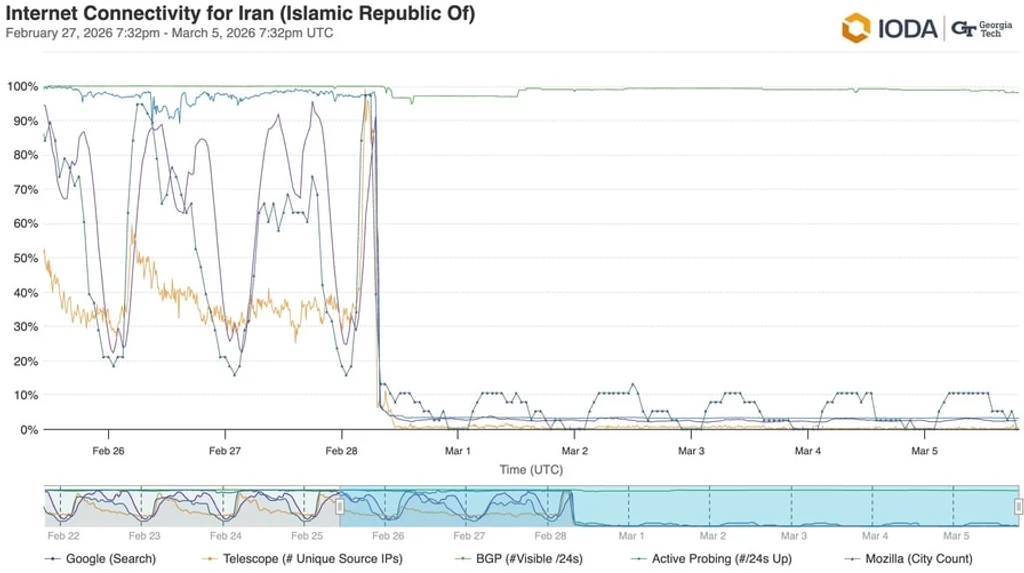
Nobitex serves nearly 11 million Iranians-roughly 12% of the population-and has processed an observed volume of approximately $5 billion between 2025 and March 2026, according to blockchain analytics firm TRM Labs.
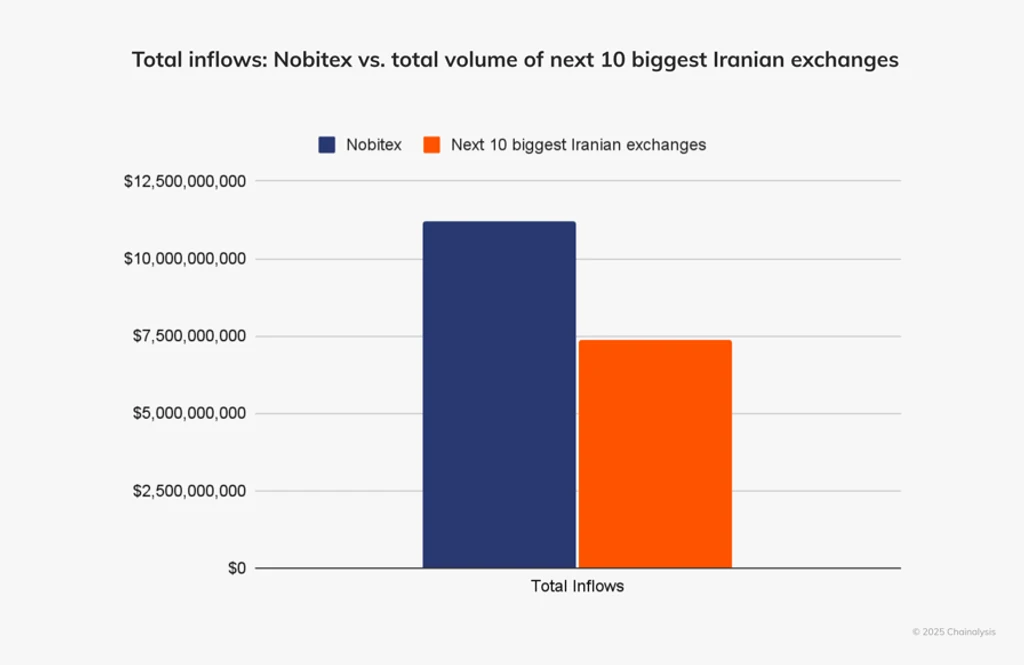
Investigations by Elliptic and Chainalysis found Nobitex linked to systematic purchases of USDT stablecoins by Iran's central bank, as well as wallets associated with Hamas, the Houthi Ansar Allah movement, and the sanctioned Russian exchange Garantex. The exchange was founded by brothers Ali and Mohammad Kharrazi, connected to one of Iran's most powerful political families. Early investor Mohammad Baqer Nahvi is vice president of Safiran Airport Services, a company sanctioned by OFAC for facilitating flights supplying Iranian drones to Russia.
Despite these findings, OFAC has not added Nobitex to its Specially Designated Nationals List. The Treasury has clarified that Iranian digital asset exchanges are already considered blocked financial institutions, regardless of individual listing. Analysts suggest OFAC may be wary of freezing assets of 11 million ordinary Iranians commingled with regime funds, a scenario that presents a unique regulatory and moral dilemma.