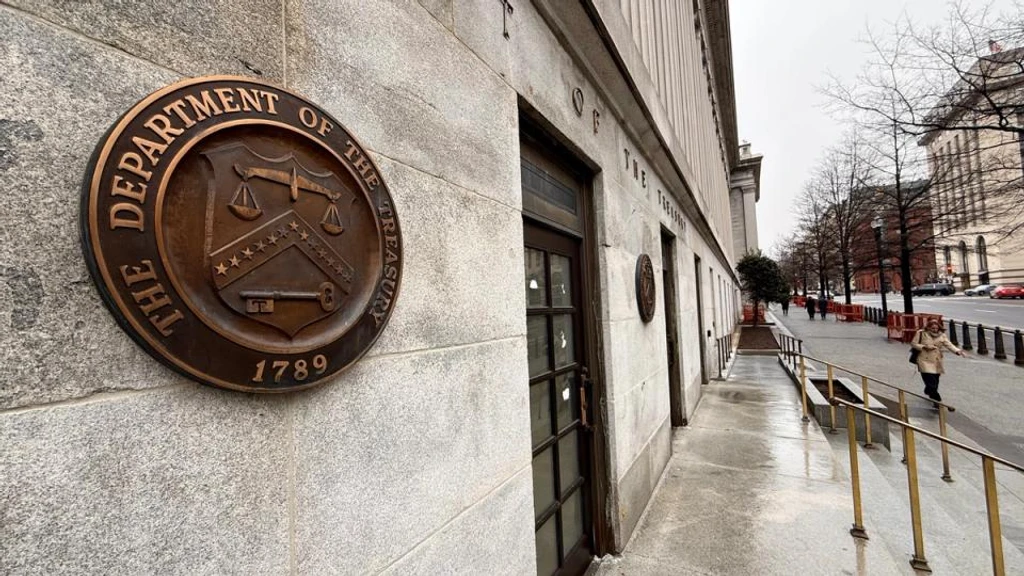
The U.S. Department of the Treasury is set to propose new rules mandating stablecoin issuers to adopt stringent measures against illicit transactions, aligning them with traditional financial firms. These regulations, stemming from the Financial Crimes Enforcement Network (FinCEN) and the Office of Foreign Assets Control (OFAC), will require stablecoin businesses to "block, freeze and reject" suspicious transactions and establish internal controls in compliance with the Bank Secrecy Act.
This initiative is a significant step in implementing the GENIUS Act, the U.S.'s first major crypto-sector law. The Treasury aims to leverage the industry's understanding of its own risks, emphasizing that firms with effective anti-money laundering programs will generally be protected from enforcement actions unless systemic failures occur.
Under the proposed rules, stablecoin issuers will need to halt flagged transactions and allocate resources to higher-risk activities. They will also be required to search their records for any activity linked to individuals or entities identified by FinCEN and act as partners in pursuing those labeled as "primary money laundering concerns."
On the sanctions front, issuers must implement risk-based safeguards to detect and reject transactions that could violate U.S. sanctions. Treasury Secretary Scott Bessent stated these efforts will protect the U.S. financial system from national security threats without hindering innovation in the stablecoin ecosystem.
The crypto industry, including major stablecoin leaders, has awaited such regulatory clarity to solidify the safety and reliability of their assets. The proposed rules are expected to take full effect by 2027, with firms like World Liberty Financial, linked to Donald Trump's family, actively pursuing relevant charters and partnerships.