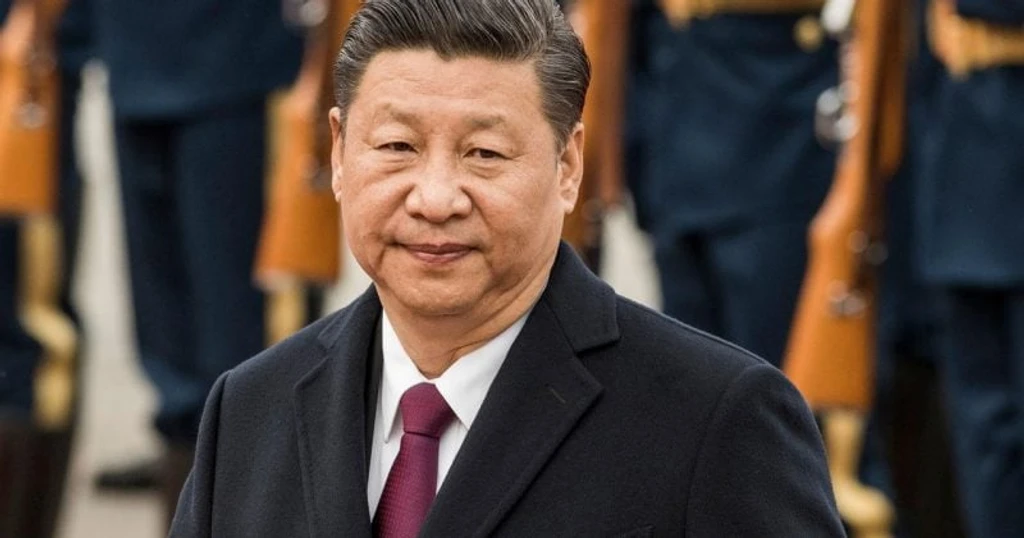
Chinese President Xi Jinping used the 2026 World AI Conference in Shanghai to announce the launch of the World Artificial Intelligence Cooperation Organization, or WAICO. This is Beijing's most explicit bid yet to challenge Washington's influence over how the world regulates artificial intelligence.
In his keynote, Xi laid out four principles for international AI development, emphasizing openness, risk control, and governance through multilateral platforms. He pledged 5,000 training opportunities for developing nations, with a focus on blocs like ASEAN and BRICS.
The US approach to AI governance has leaned heavily on export controls and national security restrictions. Xi's speech criticized this security-first tendency, positioning China's vision as the inclusive alternative by championing open-source models and directing resources toward the Global South.
For crypto markets, the implications are notable. A governance philosophy centered on keeping AI under human control does not naturally align with decentralized systems. If WAICO's framework gains traction among developing nations, it could shape regulatory environments to favor centralized digital infrastructure over decentralized alternatives.
China's promotion of open-source AI could accelerate the development of AI-powered crypto tools in resource-strapped regions. Investors are watching how the BRICS and ASEAN focus could influence regulation of AI-adjacent crypto products in high-growth adoption markets. China's insistence on controllable, risk-aware AI systems could extend to autonomous on-chain agents and automated trading protocols, potentially introducing new compliance hurdles.