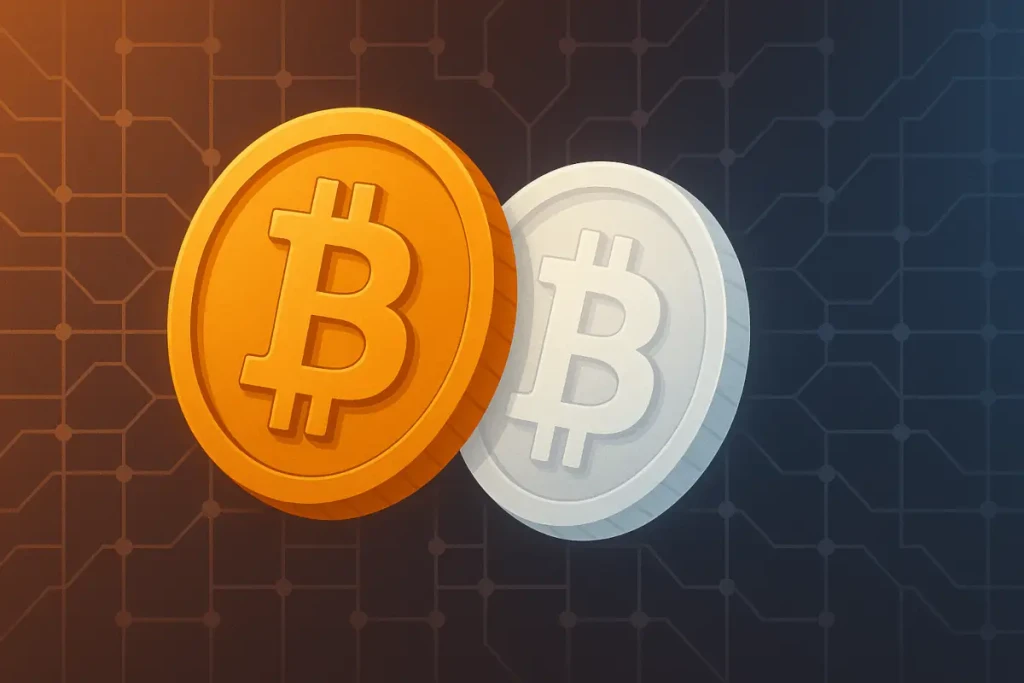
Wrapped cryptocurrencies act as proxies, representing assets native to one blockchain but issued on another. This allows them to be used in platforms that don't natively support the original coin. By holding the original asset in secure reserve, the wrapped token maintains a one-to-one value peg.
The core concept is to connect disparate blockchain networks, enabling tokens from one ledger to interact with protocols on another. This expands participation in decentralized finance (DeFi) by overcoming the limitations of incompatible platforms.
The process involves locking the original cryptocurrency with a custodian or smart contract, which then issues an equivalent amount of wrapped tokens on a different chain, typically adhering to common token standards for interoperability. Holders can redeem wrapped tokens at any time for the underlying asset, ensuring the one-to-one peg remains accurate.
For instance, Wrapped Bitcoin (WBTC) allows Bitcoin holders to access Ethereum-based protocols. Custodians hold one Bitcoin for every WBTC minted. Redeeming involves a burn request, after which the custodian releases the original Bitcoin. Decentralized bodies often oversee these operations to maintain transparency and adherence to protocols.
Wrapped tokens are crucial for cross-chain trading platforms, facilitating asset swaps and increasing liquidity by accepting a wider variety of token types. This integration simplifies transactions and improves access to broader crypto markets within a single interface. Yield farming and lending protocols can also utilize wrapped tokens as collateral, drawing more users into DeFi.
By enabling token bridging, wrapped cryptocurrencies reduce the time and transaction fees associated with multiple conversions. This consolidation of capital leads to smoother execution and greater trading volume on decentralized platforms. Broader acceptance is expected to drive further network integration and potentially lower asset transfer costs.