
The XRP Ledger (XRPL), utilized by Ripple, has partnered with zero-knowledge infrastructure provider Boundless. This collaboration enables banks and asset managers to conduct confidential yet compliant transactions directly on the network. Boundless CEO Shiv Shankar stated the design will shield transaction details like size, frequency, and counterparties from public view. Regulators, however, will maintain oversight through selective disclosure and role-based access controls.
This integration aims to support institutional use cases previously hindered by fully transparent ledgers, including cross-border payments, treasury management, and the issuance of tokenized assets. Historically, the trade-off between transparency and confidentiality has been a major obstacle for institutional adoption of public blockchains, as financial entities seek to protect sensitive trading strategies and client information while adhering to regulatory requirements.
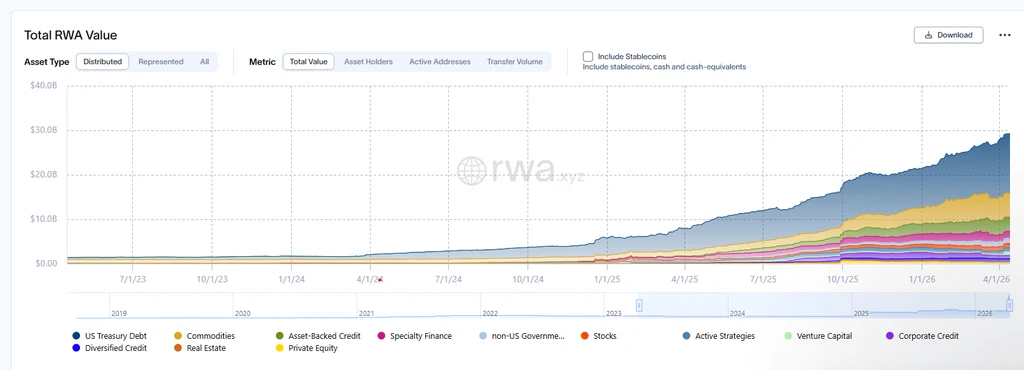
The move places XRPL in a competitive landscape focused on delivering bank-grade privacy for public blockchains, combating what Shankar calls the "transparency tax" of fully visible on-chain activity.
The rollout underscores a shift where privacy is evolving from an optional feature to a core component of base-layer and tokenization infrastructure. As real-world assets increasingly move on-chain and traditional financial players explore tokenized funds, demand grows for networks that accommodate both institutional secrecy and supervisory oversight.