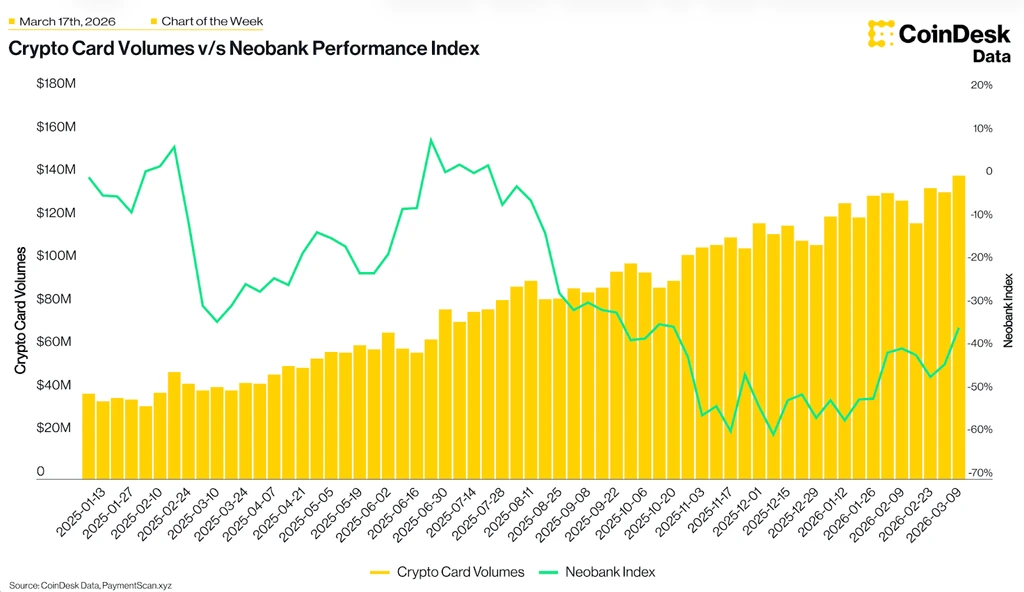
Crypto markets have shifted from price-driven speculation to yield-driven holding. Bitcoin is down roughly 50% from its all-time high. Trading volumes are thin. Leverage has unwound. For institutional holders, yield-not price appreciation-is now the primary reason to stay invested.
Ether staking yields 2.5%-4% annually. Solana validator rewards run 6%-8%. Lending protocols offer variable rates across assets. These returns accrue independently of price movement.
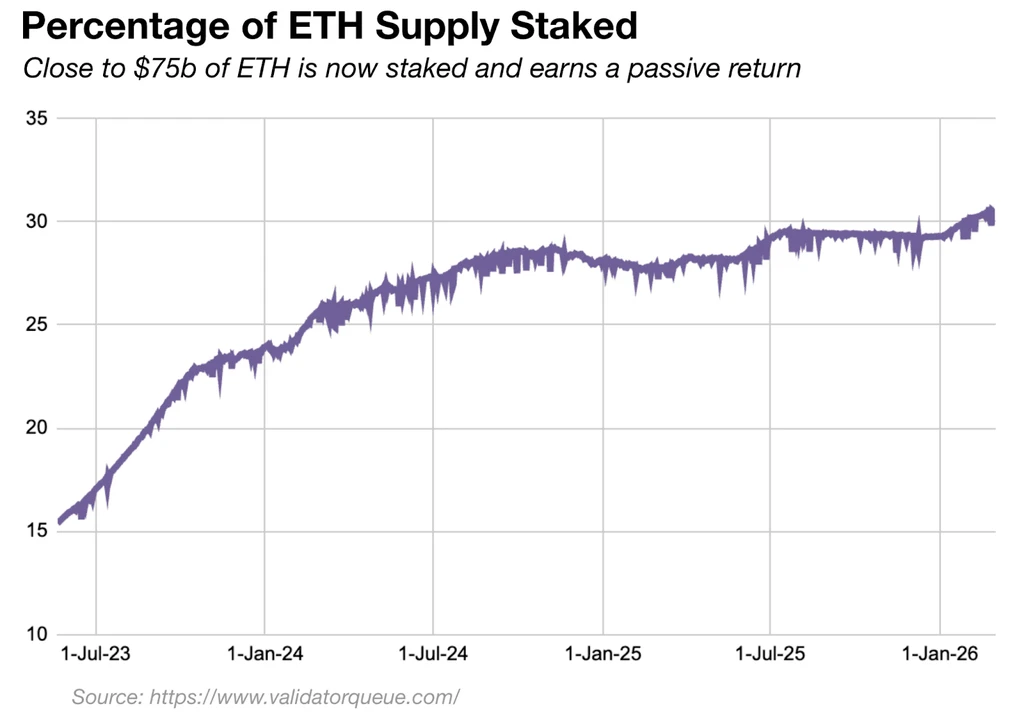
ETH staking supply has hit an all-time high-nearly 30% of total supply-with growth continuing through major price declines. Regulatory clarity from the SEC on staking last year catalyzed a wave of new products: BlackRock’s iShares Staked Ethereum Trust, plus filings from VanEck, Grayscale, Fidelity, and Morgan Stanley’s OCC trust bank charter application for crypto custody and staking services.
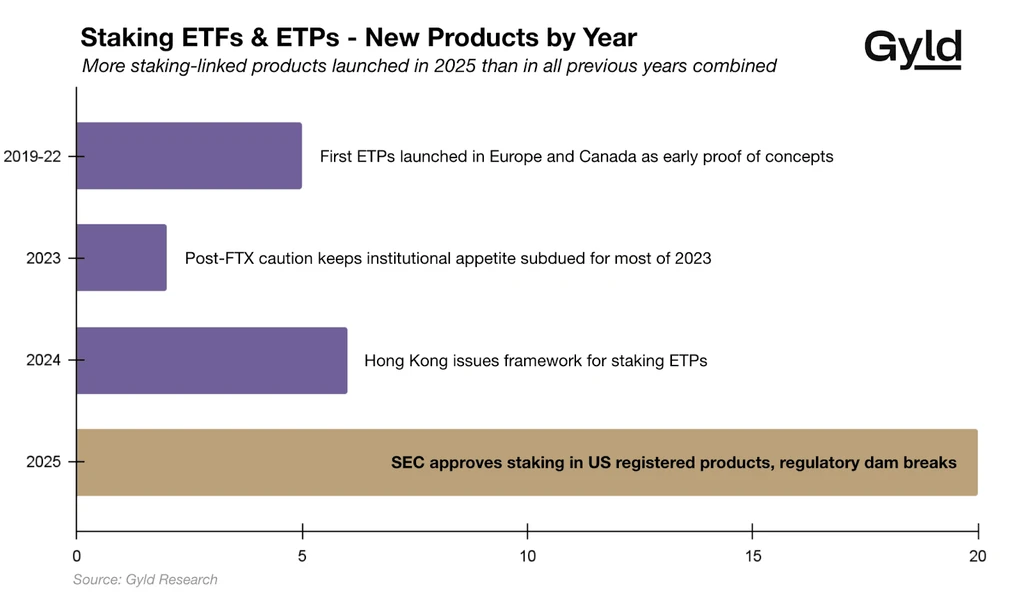
But today’s staking products remain passive-tying yield directly to spot exposure with no duration control or income isolation. True fixed-income infrastructure requires instruments that separate yield from principal, price illiquidity premiums, and support forward curve trading-like zero-coupon tokens or floating-rate notes.
Bitcoin is simultaneously entering mainstream finance as collateral. Its scarcity and non-taxable liquidity appeal make it attractive-but volatility, custody risk, and structural incompatibility with legacy legal frameworks demand new risk models. Institutions like Mastercard, the European Central Bank, and major banks are already adapting infrastructure-from tokenized euro wholesale systems to crypto partner programs with Ripple and Solana.