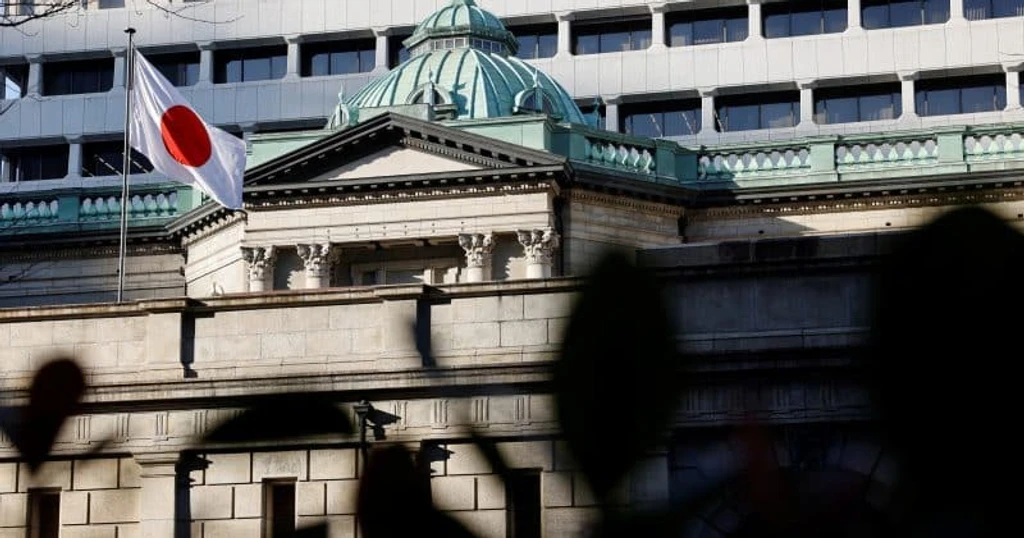
Japan’s central bank has raised interest rates to their highest level since 1995, and former insiders warn further tightening is imminent. Makoto Sakurai, a former Bank of Japan board member, stated the BOJ could implement two additional rate hikes before the fiscal year ends in March 2027.
The potential timeline includes an increase in October 2026 and another by March, contingent on sustained inflation acceleration. This forecast follows the BOJ's recent decision to raise its benchmark short-term rate by 25 basis points to 1%. This marks only the second increase since December 2025 and continues the exit from ultra-loose monetary policy that began in March 2024.
Governor Kazuo Ueda missed the latest meeting due to illness but communicated his stance in writing. The hawkish pivot is primarily driven by persistent inflation amplified by the Iran conflict, which has spiked energy prices across Asia. As a net energy importer, Japan faces acute economic pressure that may force the policy rate toward 1.5%.
For global investors, this shift threatens the viability of yen-funded carry trades. A strengthening yen reduces profitability for strategies borrowing cheaply to fund risk assets like equities and crypto. Markets previously experienced significant volatility during mid-2024 when similar adjustments triggered unwinding in Bitcoin and global equities. Traders must now monitor BOJ communications closely for signals regarding the flagged October inflection point.