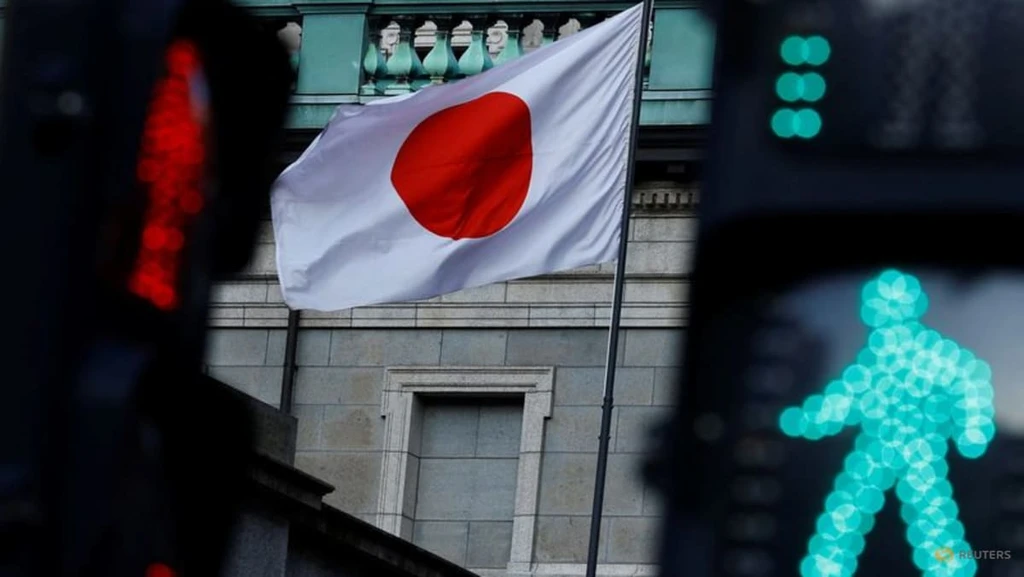
Financial market turbulence may force the Bank of Japan to slow the unwinding of its massive debt holdings, offering relief to anxious bond investors as surging yields highlight worsening fiscal strains and inflation pressures.
The BOJ sets a high bar for outright bond market intervention, but could flag a slowdown or pause in its quantitative tightening plans for the next fiscal year if conditions demand, according to three sources familiar with the bank's thinking.
The central bank has been reducing its roughly 500 trillion yen ($3.14 trillion) bond holdings since 2024 under Governor Kazuo Ueda as part of normalizing monetary policy after decades of ultra-low interest rates.
The BOJ is widely expected to lift interest rates at its June 15-16 meeting to curb inflation but may signal a less aggressive tapering of bond purchases amid global uncertainty.
While no decision has been made on the exact pace of tapering, the BOJ sees little need to rush in reducing its balance sheet during market stress. One source noted, "The BOJ's bond holdings have decreased quite a bit, so there could be a case to pause its taper to provide sufficient liquidity."
A slowdown or pause in taper won't be ruled out, especially if markets remain jittery, a second source said, echoed by a third.
The BOJ will review its bond taper plan through March next year and outline a new plan for fiscal 2027 at the June policy meeting. It has gathered surveys from bond investors and will hold two-day meetings starting Thursday to gauge their views on the preferred pace of bond buying.
BOJ watchers see three options: pause the taper, maintain the current 200 billion yen quarterly reduction, or slow to 100 billion yen quarterly.
Even hawkish BOJ board member Hajime Takata has warned of bond market fragility, cautioning that reducing purchases could cause excessive volatility if not managed carefully.