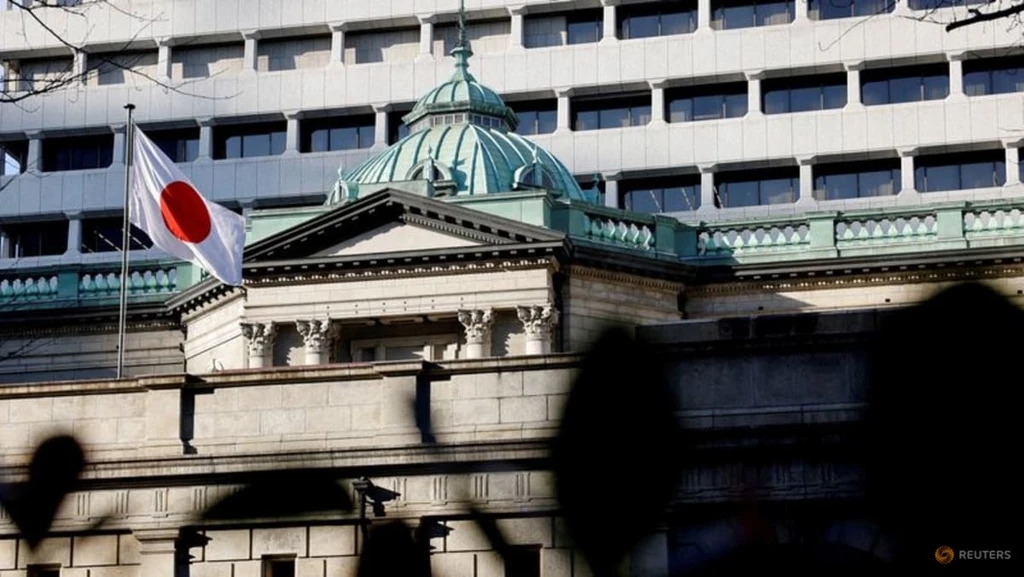
The Bank of Japan held its short-term policy rate at 0.75% on Thursday, opting for caution amid escalating Middle East tensions that threaten to disrupt its fragile economic recovery. Governor Kazuo Ueda signaled no immediate plan for another rate hike, citing uncertainty over how long the conflict will last and its impact on energy costs.
Japan, heavily reliant on Middle Eastern oil, faces dual pressures: higher import prices are fueling inflation-already above target for nearly four years-while simultaneously dampening corporate profits and consumer spending.
Analysts note Ueda aims to keep the April meeting open for a potential hike without committing to one. Hawkish board member Hajime Takata pushed for a 1.0% rate in January but failed to sway the majority.
Despite a 60% market probability of an April increase, the BOJ remains cautious. Rising oil prices, coupled with a weak yen, have kept core inflation elevated, yet the central bank warns against acting too quickly amid global instability.
Prime Minister Sanae Takaichi’s administration is also pressuring the BOJ to delay hikes, fearing economic damage from higher borrowing costs during a period of heightened geopolitical risk.