American consumer sentiment has hit its lowest level in history. The University of Michigan's Index of Consumer Sentiment dropped to 44.8 in May, down from 49.8 in April, according to the final reading. That's the worst reading since the survey began in the 1950s, surpassing the depths of the 2008 financial crisis and the early pandemic panic.
What's driving the despair? More than half of respondents, 57%, cited high prices as the primary force eroding their financial situations. Within that group, one-third singled out gasoline costs specifically. Surging fuel prices and persistent cost pressures tied to supply disruptions from the ongoing US-Iran conflict are squeezing household budgets.
The Current Economic Conditions component fell to 45.8, a roughly 13% decline from the prior month. Year-ahead inflation expectations ticked down slightly from 4.7% to 4.5%, but consumers still expect prices to keep climbing.
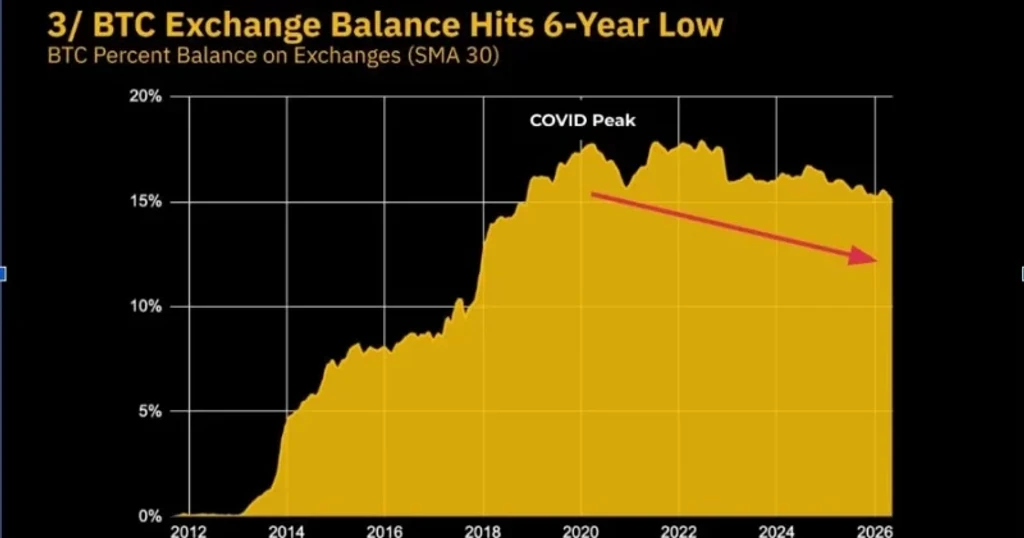
Meanwhile, Bitcoin has been trading near $77,000, showing resilience despite the bleak consumer outlook. Analysts point to institutional investment as a key driver buoying the digital asset market, diverging from the bearish sentiment among retail consumers.
Consumer spending accounts for roughly two-thirds of US GDP. If gasoline prices continue rising due to US-Iran supply disruptions, year-ahead inflation expectations could reverse from their current 4.5% reading just as quickly.