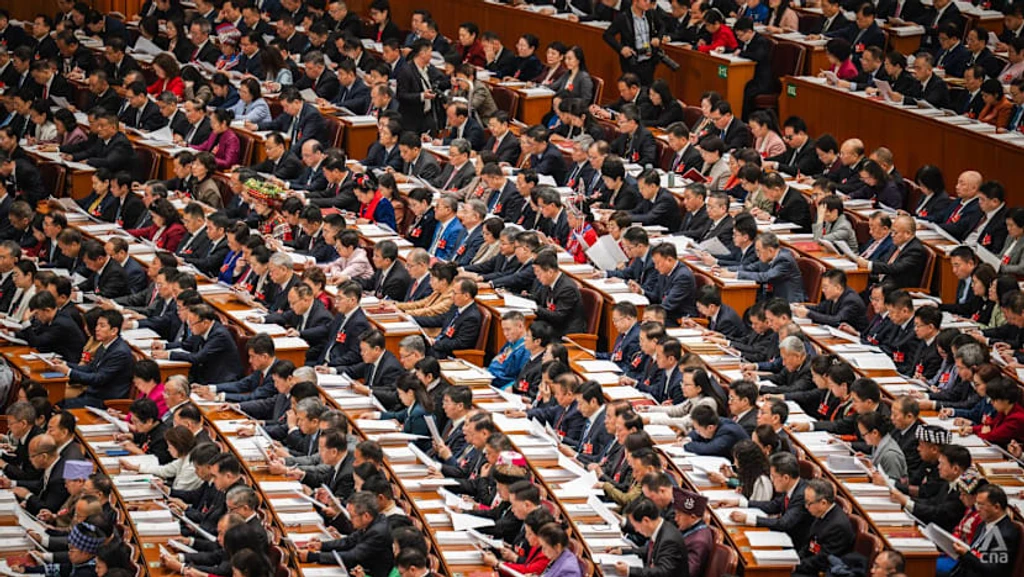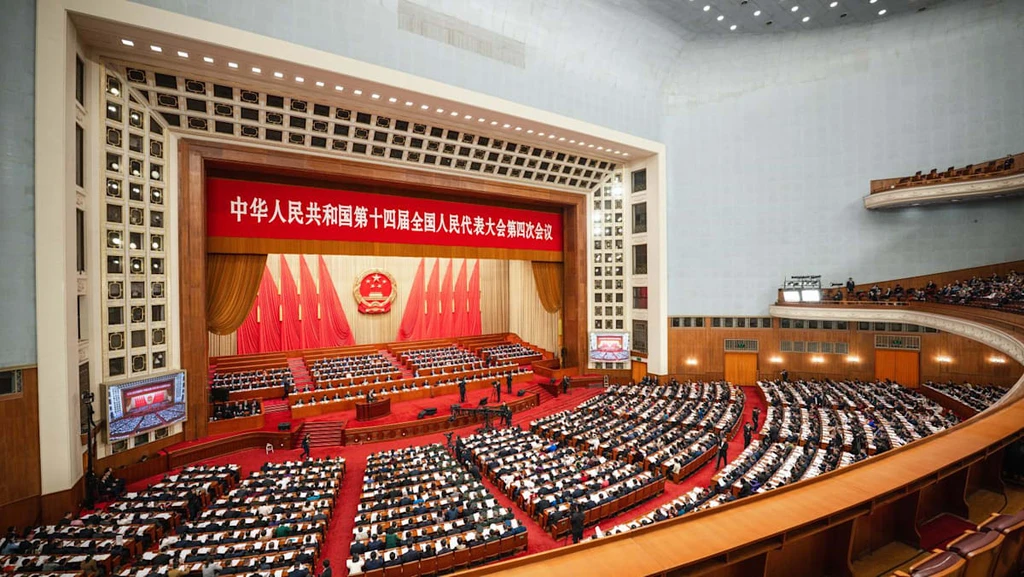
China’s 2026 economic growth target of 4.5 to 5 percent marks the lowest in decades, signaling a shift from past stimulus-driven expansion. The target was unveiled during the National People's Congress, alongside the 15th Five-Year Plan, establishing a new strategic framework.
Enodo Economics estimates China’s potential growth rate at just 2 to 3 percent-far below the official target-due to declining labor force participation and an aging population. Capital investment has plateaued, with vast underutilized infrastructure and real estate holdings limiting returns.
The only remaining engine is productivity, now centered on 'new quality productive forces'-AI, semiconductors, quantum tech, and digital transformation. These sectors aim to elevate the digital economy to 12.5% of GDP.
Recent data reveals inflation pressures emerging: February CPI rose to 1.3%, the highest in three years; core inflation hit 1.8%, its highest since 2019. Producer price deflation narrowed to -0.9% from -1.4%.
This suggests China is nearing full capacity, not languishing in deflation. The era of persistent falling prices is quietly ending.
The phrase "striving for better in practice" attached to the target reveals political uncertainty. Beijing may still resort to old stimulus tactics if growth falters-despite the growing risk of overheating.
China is not in decline, but transitioning to slower, more sustainable growth. Markets remain unprepared for this shift, especially the inflation risks ahead.