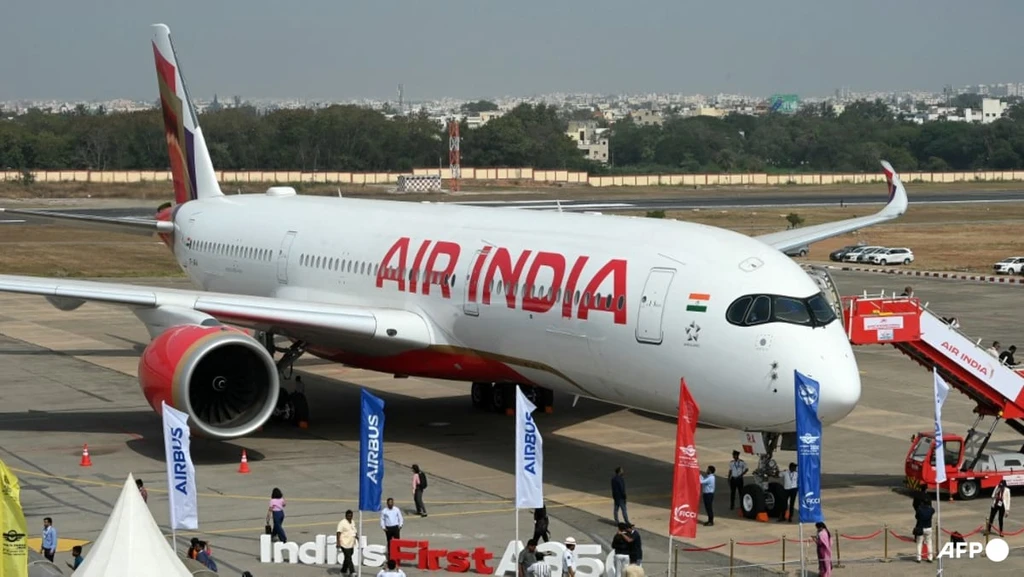
Singapore Airlines (SIA) is reportedly being asked by Air India for financial support to counter significant losses exceeding US$2.4 billion in the last financial year. SIA holds a 25.1% stake in Air India, which merged with SIA's Vistara in 2024. The initial investment included S$360 million cash and Vistara equity, plus a commitment of up to S$880 million for future upgrades.
Air India has faced persistent issues since privatization in 2022, including service quality problems, a plane crash inquiry, and flying without an airworthiness certificate. Supply chain delays, airspace closures, and rising jet fuel prices exacerbated these challenges. CEO Campbell Wilson is also set to depart.
SIA shareholders face concerns that further investment in Air India could reduce dividend payouts and hinder fleet upgrades. Analysts note Air India's vulnerability to fuel costs and weak pricing power in the competitive Indian market.
However, India's massive population and growing economy present significant aviation growth potential. For SIA to expand beyond its Singapore hub, engaging in the Indian market is strategically important, leveraging Air India's existing infrastructure and brand recognition.
To mitigate risks, SIA should seek greater control over Air India's strategy and operations, potentially integrating its maintenance and service standards. Clear recovery metrics, timelines, and an exit strategy are crucial for reassuring stakeholders. Funding should also be performance-linked.
SIA has a history of navigating crises, notably raising S$22.4 billion during the COVID-19 pandemic. The airline must assure investors that lessons learned from past ventures will prevent it from "throwing good money after bad" in the Air India investment.