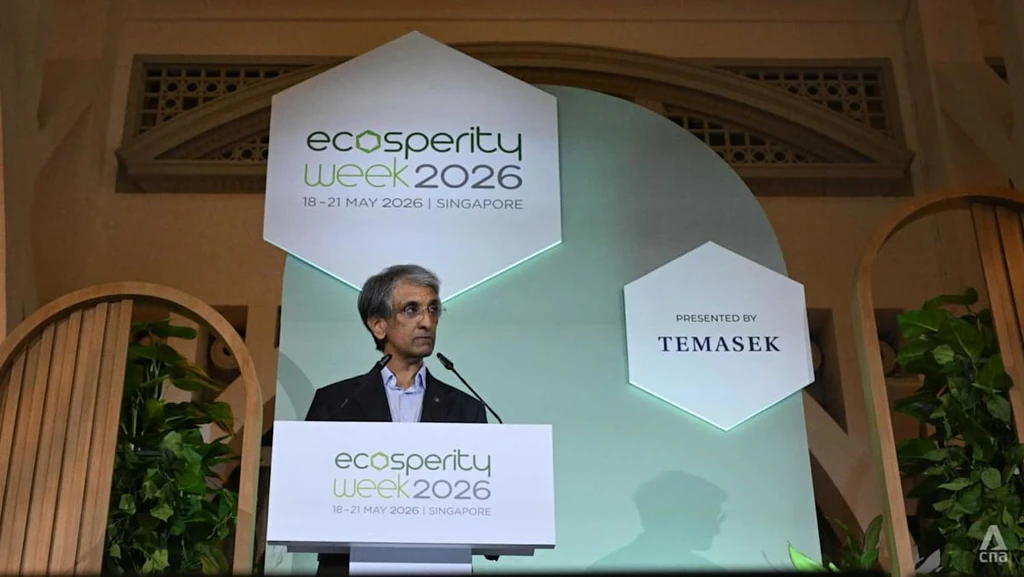
Temasek Holdings is unlikely to meet its interim 2030 climate target, CEO Dilhan Pillay announced Monday, citing geopolitical fragmentation, rising energy demand, and the difficulty of decarbonizing hard-to-abate sectors like aviation and power generation.
Pillay emphasized this does not mean a retreat from the firm's longer-term 2050 net-zero goal. The commitments remain an "important directional marker" for the state investment firm. Emissions attributable to its portfolio have dropped about 30% since 2019, but as of March 31, 2025, total portfolio emissions still sit at 21 million tCO2e.
The admission marks the clearest signal yet that Temasek will likely fall short. Pillay described the current global operating landscape as "volatile, uncertain, and accelerating," with energy transition complexity heightened by recent Gulf state tensions. He argued these dynamics strengthen the case for renewable energy as a path to security and strategic competitiveness.
Aviation remains a key challenge. Portfolio company Singapore Airlines has improved fuel efficiency by up to 25% with new aircraft and 40% with new freighters. However, sustainable aviation fuel accounts for less than 1% of global jet fuel supply and costs two to five times more than conventional fuel.
Global electricity demand is expected to grow at least 2.5 times faster than overall energy demand through 2030. While renewables will drive decarbonization, Pillay noted that thermal baseload power will remain important for grid stability and affordability during the transition.
Artificial intelligence presents a near-term obstacle. While AI can improve efficiency, it also significantly increases emissions, adding complexity to the energy transition.
Despite the tougher outlook, Temasek remains committed to its 2050 net-zero goal and to investments aligned with its Sustainable Living trend. As of March 31, 2025, that portfolio stands at S$46 billion (US$35.9 billion), including S$39 billion in sustainability-focused investments and S$7 billion in climate transition investments.