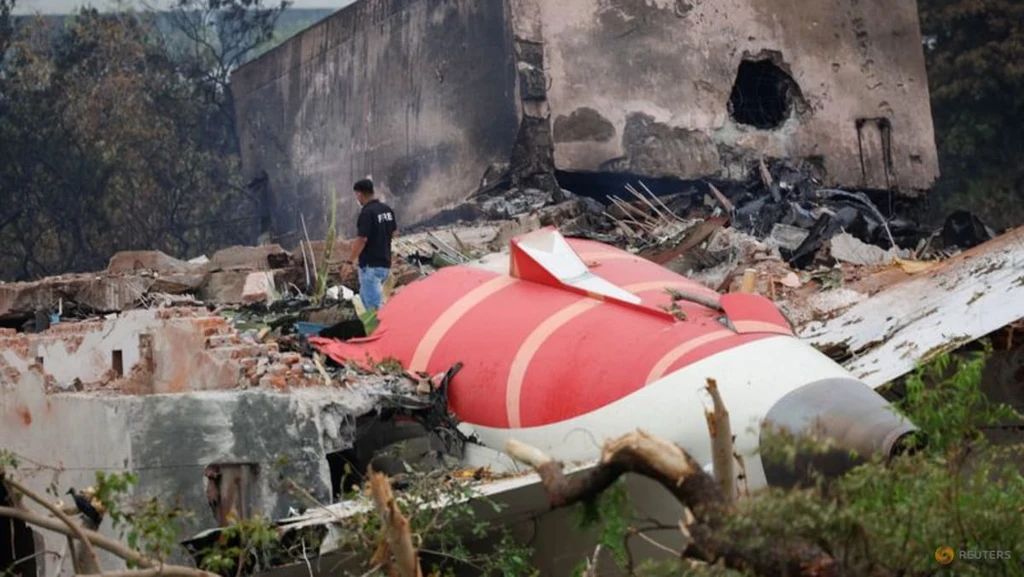
NEW DELHI - Indian air safety officials plan to travel to Seattle to observe Boeing's testing of a fuel-control switch panel removed from an Air India 787 after pilots on a London-Bengaluru flight flagged a possible defect. The testing, described as "sensitive," renews scrutiny on switches regulating jet fuel flow into engines as investigators prepare a final report on last year's Air India crash that killed 260 people.
The switches, designed to be immovable without specific pilot actions, came under scrutiny after the preliminary crash report found they had been shut off nearly simultaneously, starving the engines of fuel.
During the February incident, pilots observed the fuel switches did not remain fixed in the "run" position on the first two attempts when light vertical pressure was applied. UK authorities investigated, but Boeing privately told Air India the module was "serviceable." The module was sent to a Boeing facility in Seattle for testing.
India's Directorate General of Civil Aviation (DGCA) demanded its officers be present during the testing, citing the matter as "sensitive." Air India, owned by Tata Group and Singapore Airlines, said the module was confirmed fully functional but the additional testing is "a measure of abundant caution."
The US Federal Aviation Administration has said last year's crash does not appear to have been caused by a mechanical issue. Recorded dialogue suggested the captain cut fuel flow while the first officer was flying, a claim dismissed by a pilots' union and the captain's father. A final report from India's Aircraft Accident Investigation Bureau is due next month.