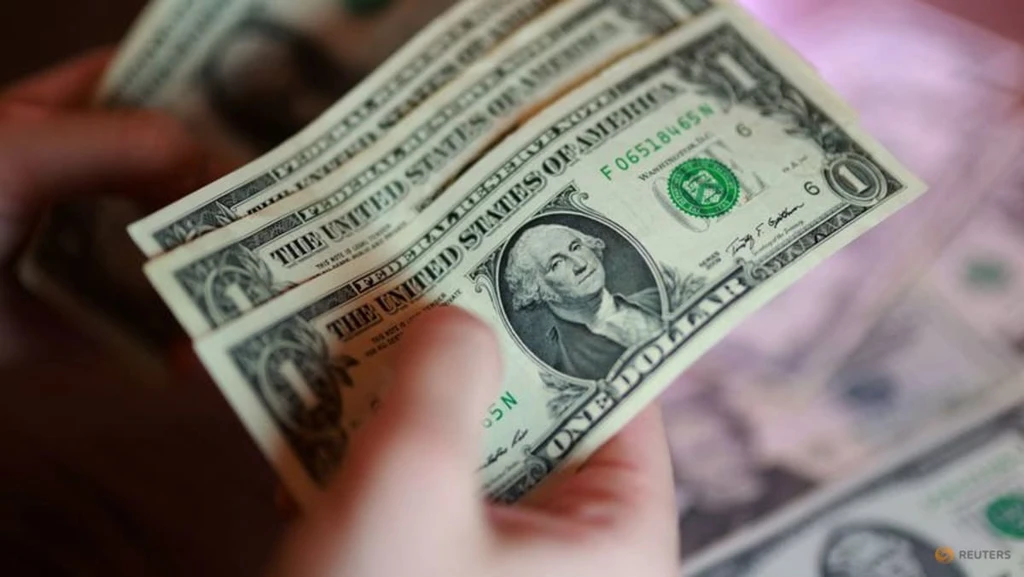
HONG KONG, March 27 - The U.S. dollar climbed toward multi-month peaks as escalating Middle East tensions and fading hopes for de-escalation drove investors into safe-haven assets.
President Donald Trump extended a pause on strikes against Iran’s energy infrastructure into April, even as Washington and Tehran offered contradictory accounts of diplomatic progress. Adding to unease, the Pentagon is considering deploying up to 10,000 additional ground troops to the region.
The uncertainty reinforced demand for the dollar while lifting expectations of a Federal Reserve rate hike by year-end-now seen with a 46% probability-as prolonged energy supply disruptions threaten to stoke inflation.
The yen hovered near 159.61 per dollar, close to the critical 160 threshold. The euro dipped slightly to $1.1525, and sterling fell to $1.3325. Risk-sensitive currencies like the Australian and New Zealand dollars hit two-month lows.
Against a broad basket, the dollar rose 2.3% this month-the strongest gain since July 2023.
"The dollar is king while this conflict lasts," said Carol Kong, currency strategist at Commonwealth Bank of Australia. "If the conflict proves protracted, oil prices will keep rising-at the expense of net energy importers like Japan and the eurozone."
Global bond markets reflected the shift: the two-year U.S. Treasury yield held near 3.98%, while the 10-year eased slightly to 4.41%. Analysts at Capital Economics warned that sustained energy disruptions could trigger a global recession and broader monetary tightening.