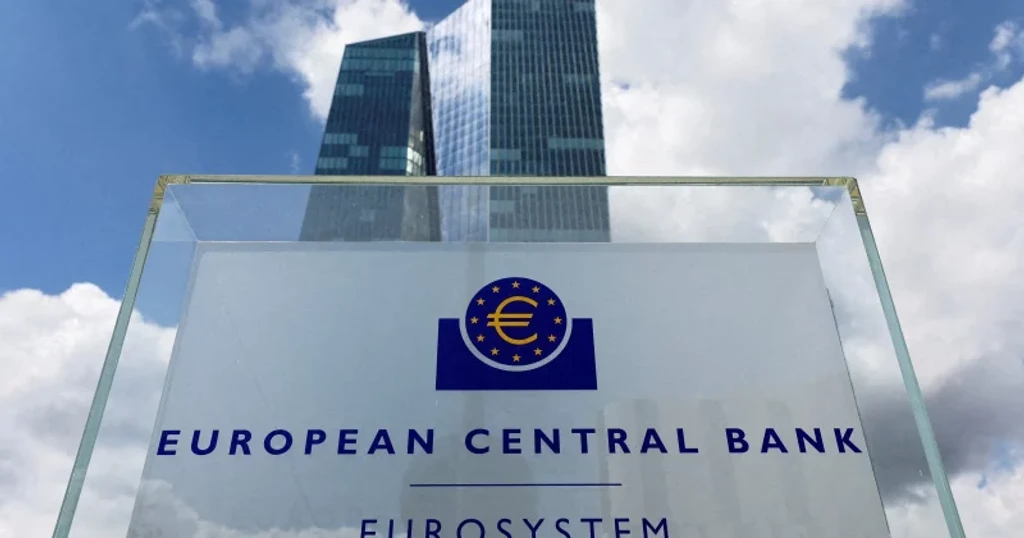
The European Central Bank's Vice President, Luis de Guindos, warned on Bloomberg TV that weaker economic growth driven by energy supply shocks must be a top priority in the ECB's risk assessments.
Guindos said the ECB must consider energy supply shocks as it evaluates the financial system's resilience. The November 2025 Financial Stability Review highlights geoeconomic fragmentation and energy market uncertainty as core stability concerns, warning specifically about renewed supply disruptions.
On a positive note, euro area banks reported return on equity around 10% in the first half of 2025. However, the review flags significant vulnerabilities in non-bank financial intermediaries-asset managers, insurance companies, and pension funds-due to liquidity mismatches and leverage that could amplify market shocks.
For the crypto industry, the review's focus on non-bank financial intermediary risks signals potential regulatory action. The crypto ecosystem relies on market makers, lending platforms, and custody providers outside traditional banking regulation. With the MiCA framework already in place, additional stability-motivated oversight could impact on-ramps, liquidity provision, and institutional participation in digital assets.