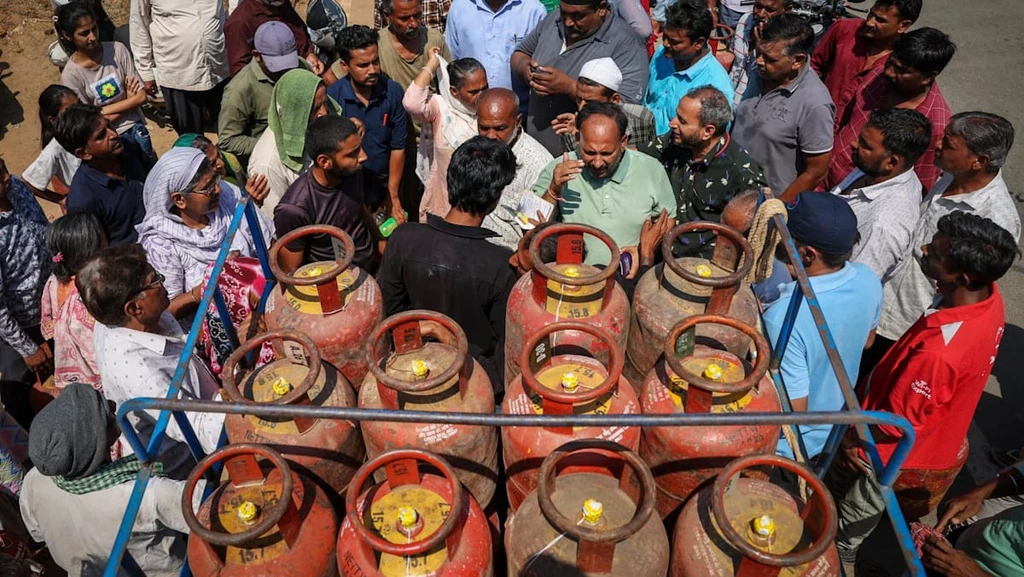
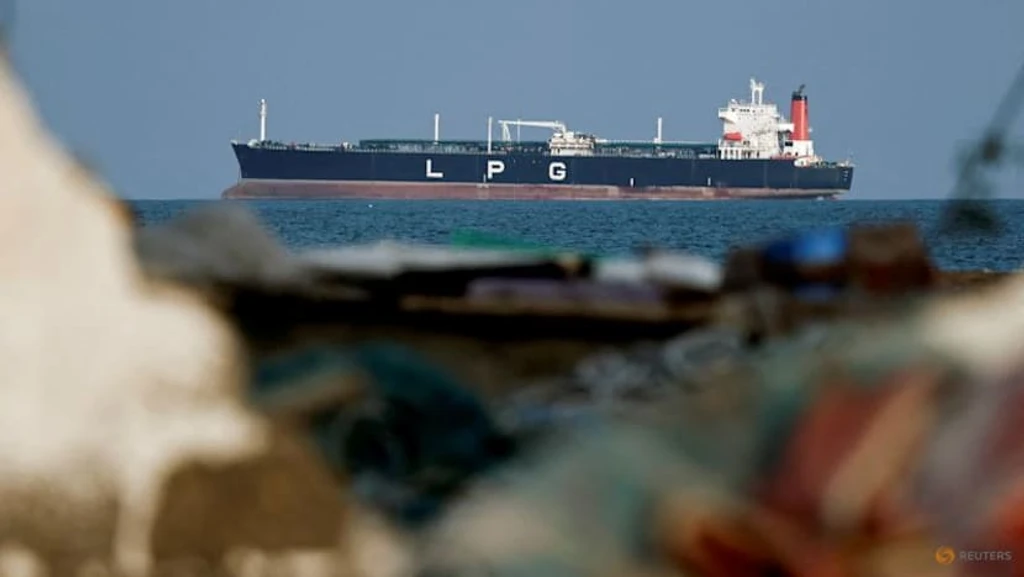
Half of Delhi restaurateur Zachariah Jacob's six eateries are near running out of cooking gas. While three outlets with piped natural gas are unaffected, his standalone kitchens relying on commercial LPG cylinders face supply disruptions. Shipments through the Strait of Hormuz, a key energy import route for India, are impacted by the ongoing conflict.

The Indian government has prioritized households and critical sectors for LPG distribution, leaving businesses to scramble. Experts warn this exposes India's economic vulnerabilities and its dependence on vulnerable supply routes. Nearly half of India's crude oil and LNG imports transited the Strait of Hormuz in 2025, though diversification efforts have reduced crude oil import exposure. However, about 90% of India's LPG imports pass through this critical chokepoint.
The Ministry of Petroleum has ordered prioritization for households, transport, and LPG cylinder production, assuring no reason for panic. Other sectors like fertilizer plants and tea industries will receive reduced supplies, with petrochemical and power plants facing curtailments. Restaurants and hotels are not on the priority list, leading to concerns of severe commercial fallout.
The National Restaurant Association of India (NRAI) estimates that 50-60% of restaurants could close within days if commercial LPG supplies aren't restored. The industry, a significant economic contributor and employer, is urging the government to designate restaurants as an essential service. Some eateries are resorting to alternative cooking methods like coal-fired ovens or induction equipment, though restrictions exist. Black market cylinders are appearing at inflated prices.
Beyond hospitality, small manufacturing units relying on LPG for heating and processing also face operational slowdowns or halts. Experts suggest emergency measures like increased imports and releasing buffer stocks, alongside structural reforms such as diversifying supply routes, expanding storage, and increasing domestic LPG production. Long-term diversification beyond the Middle East, including from the US and Canada, is also a focus. Investments in infrastructure and clearer rules for essential sectors during energy emergencies are critical, as is considering the impact on India's vast informal economy.