Electric vehicles are not the direct answer to oil shocks that many believe, according to an analysis challenging the notion that EV investment automatically equates to less oil consumption.
While some argue China has reduced its strategic vulnerability to oil shocks through EVs and high-speed rail, this perspective overlooks key factors. Chinese oil consumption is actually rising, driven significantly by its burgeoning petrochemical industry, which uses oil for non-transportation products. This growth in petrochemicals effectively frees up oil stocks for personal transportation.
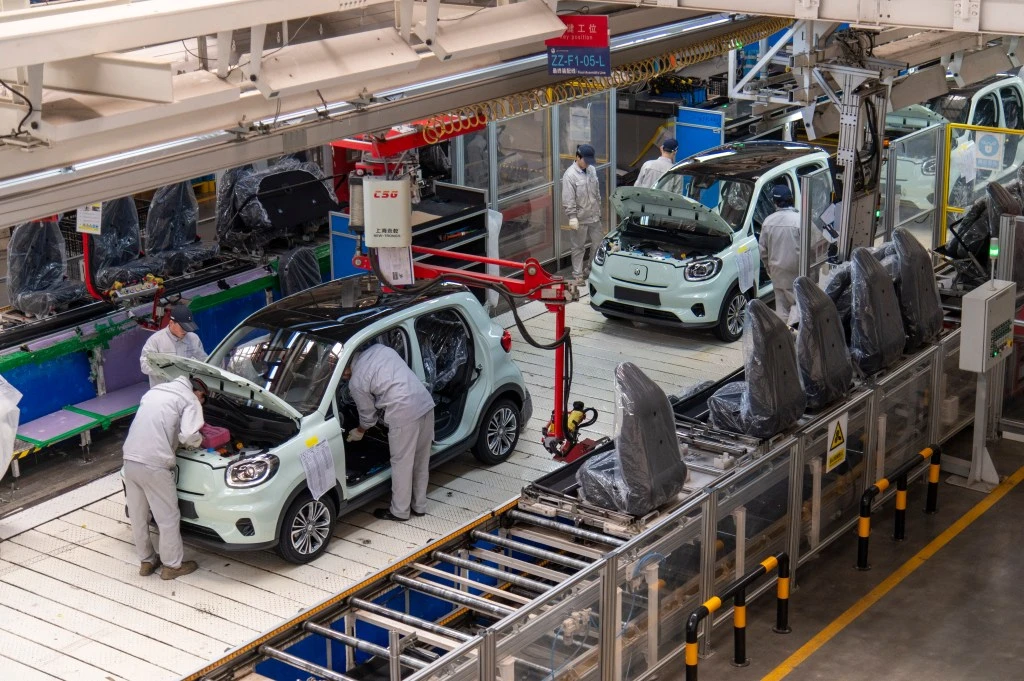
Furthermore, China's economy is more energy-intensive overall, with its manufacturing sector heavily reliant on coal-fired electricity, not necessarily cleaner energy. The environmental admiration for Chinese EVs is thus complicated by their production within a heavily coal-dependent energy sector.
In the U.S., factors like urban settlement patterns and the impracticality of widespread rail systems in car-centric regions like Houston or Los Angeles present different challenges. EV subsidies may primarily benefit urban-suburban commuters, potentially lowering gasoline prices for larger vehicles and entrenching diesel use in long-haul trucking.
While EVs and mass transit offer economic and environmental benefits, from a geopolitical hedging perspective, domestic oil and gas industries are presented as a more robust counter to oil shocks than the Chinese EV sector.