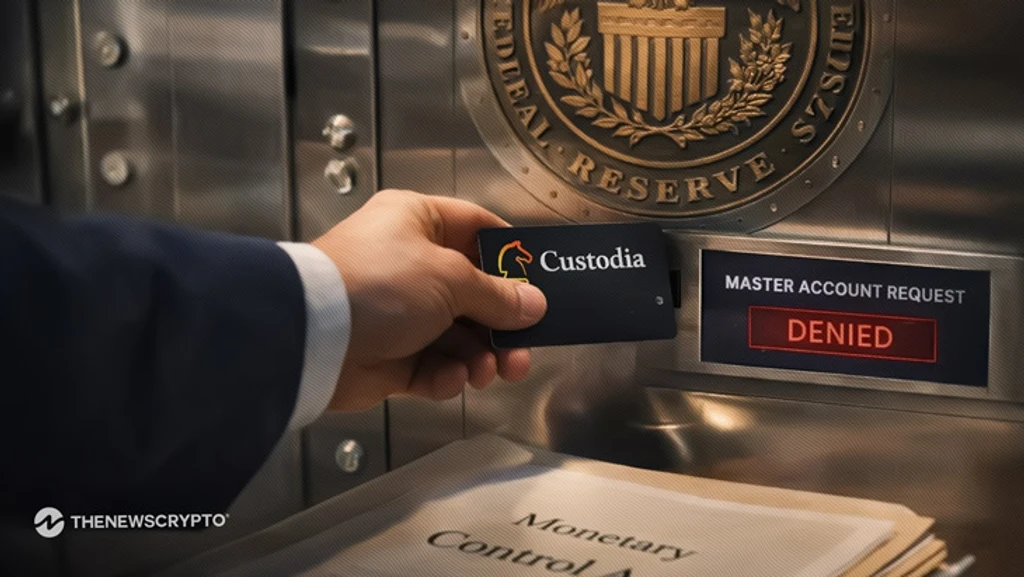
A federal court has upheld the Federal Reserve's discretion over access to its payment infrastructure, ending Custodia Bank's five-year legal battle for a master account. The United States Court of Appeals for the Tenth Circuit declined the case by a seven-to-three vote, affirming previous rulings on the Fed's authority. Custodia Bank had sought direct access to central bank systems in October 2020, arguing federal law permitted state-chartered banks access to Federal Reserve services. The courts disagreed, stating the law does not mandate automatic approval for master account applications.
The ruling reinforces the Reserve Banks' authority to review risks before granting institutions access to national payment rails. Regulators had previously denied Custodia Bank's application due to concerns that its digital asset-focused model and crypto-related activities could pose risks to financial stability. This decision solidifies the Federal Reserve's role as a gatekeeper for institutions seeking entry into the U.S. financial system.
Judge Timothy Tymkovich dissented, emphasizing that a master account is "indispensable" for a bank's operation and denying access could be a "death sentence." He argued Reserve Banks should not have unlimited discretion in granting these accounts.
The decision comes as crypto companies seek greater access to traditional financial systems. The courts, however, have affirmed that relevant authorities retain discretion in evaluating applications from crypto-focused banks.