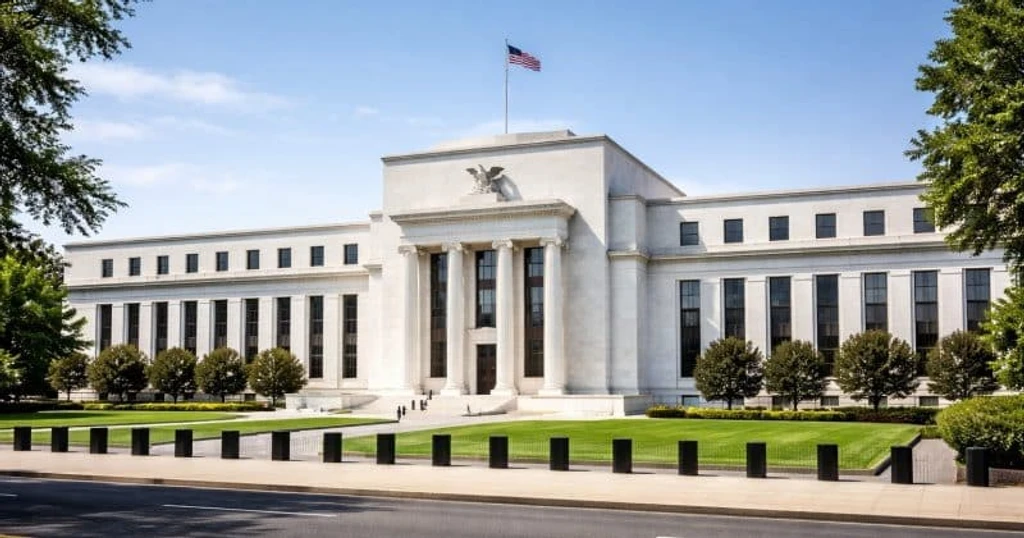
Every year, the Federal Reserve runs a financial fire drill: a nightmare economic scenario focused on the country’s biggest banks. The 2025 results, released June 27, answer the survival question with a cautious yes.
The Fed tested 22 large US banks against a severely adverse hypothetical recession. Collectively, they would absorb more than $550 billion in losses while staying above required capital thresholds. The banks, under this scenario, would continue lending. The system, on paper, holds.
Where the losses come from
The breakdown reveals where modern financial risk actually lives. Credit cards lead the damage, with projected losses of $158 billion. Commercial and industrial loans follow at $124 billion. Commercial real estate, the sector that has kept bank risk officers alert since 2022, accounts for $52 billion in projected losses.
All 22 tested institutions maintained compliance with minimum Common Equity Tier 1 capital requirements throughout the hypothetical downturn. Even after absorbing hundreds of billions in losses, the banks held enough of a financial cushion to meet the regulatory floor.
The 2026 test gets harder
Next year’s exercise expands the scope considerably. The Fed plans to test 32 banks in 2026, with results scheduled for publication on June 24, 2026. The scenario being modeled is grimmer: a severe global recession that includes a 39% decline in commercial real estate prices and a 58% drop in equity prices.
Stress Capital Buffers, the additional cushion regulators require above the minimum, will be frozen through 2027 while ongoing regulatory reviews are completed.
What this means for crypto investors
The Fed’s 2025 stress tests contain no modeling of crypto asset exposure whatsoever. No Bitcoin ETF holdings, no custody risk, no stablecoin counterparty analysis. The 2025 results do offer one indirect signal for crypto markets: if traditional banks are stress-tested as resilient, it reduces the probability of a 2008-style banking collapse driving forced asset liquidation across all markets.