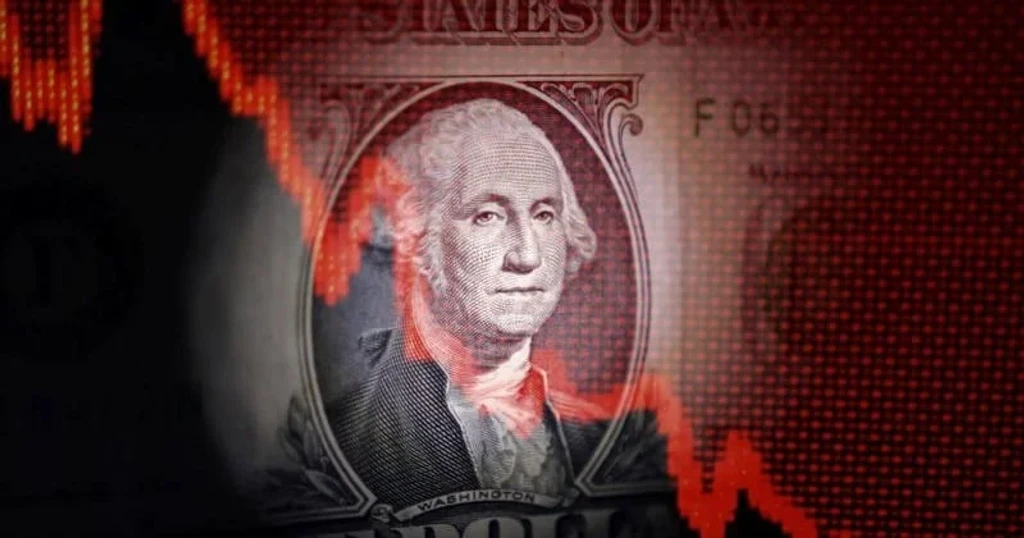
The global bond market is in the middle of a severe sell-off, with government debt prices plummeting across the US, Europe, Japan, and the UK. The trigger: rising energy prices from the Middle East conflict, pushing inflation expectations higher.
Ten-year US Treasury yields jumped more than 20 basis points last week, hitting their highest level since February 2025. Two-year yields climbed to a 14-month high near 4.1%, reflecting investor bets that the Federal Reserve may need to keep tightening.
Crude oil is the accelerant. Brent is trading around $111 per barrel, driven by the Iran-linked conflict and a recent drone strike in the UAE. That price filters into shipping, manufacturing, and food production-feeding the inflation data central bankers watch closely.
The sell-off is spreading globally. Japan’s 30-year bond yields hit record highs on expectations of additional government debt issuance. In Europe, the European Central Bank is now expected to resume rate hikes as soon as next month, reversing a perceived pause. UK gilt yields have reached multi-decade highs.
The term "bond vigilantes" is back in circulation. Coined by economist Ed Yardeni in the 1980s, it describes investors punishing governments for loose fiscal policy by selling bonds and driving up borrowing costs. With fiscal deficits expanding across major economies-fueled by defense spending, energy subsidies, and stimulus-the dynamic is playing out in real time.
Higher yields mean higher borrowing costs for governments, corporations, and consumers. Mortgage rates rise, corporate bond issuance gets more expensive, and debt servicing costs balloon. For deficit-heavy countries, this creates a feedback loop: higher rates lead to larger deficits, more bond issuance, and even higher rates.
For risk assets, the picture is stark. When two-year Treasuries yield 4.1% risk-free, the bar for owning anything riskier rises significantly. The current environment is being described as a stagflation scare-historically one of the worst backdrops for stocks, crypto, and other speculative bets.
Bitcoin and the broader crypto market tend to trade like leveraged bets on liquidity, correlating with tech stocks. But there’s a counter-narrative: some institutional investors are framing Bitcoin as a macro hedge against sovereign fiscal irresponsibility-the very thesis embedded in its genesis block.