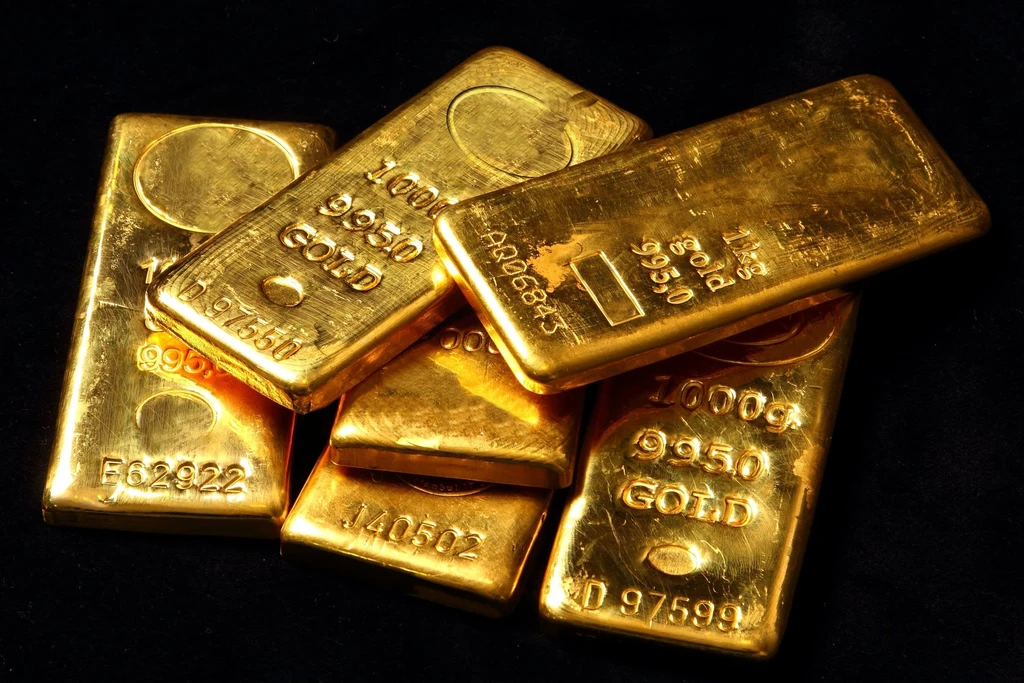
Gold has held its status as a universal store of wealth for millennia, a value rooted not just in tradition but in fundamental scientific principles. The periodic table reveals that most elements are unsuitable for currency; they are too reactive, too volatile, or simply too abundant.
Precious metals earn their status through a unique combination of chemical resilience, geological scarcity, and modern industrial utility. Their defining characteristic is a resistance to degradation, allowing them to endure through time.
This chemical nobility means precious metals, like gold and silver, resist oxidation and corrosion. Unlike common metals that react with their environment, noble metals maintain their integrity, a property evident in ancient artifacts recovered from the sea, still gleaming as if minted yesterday. This durability is the bedrock of their role as portable wealth.
Scarcity is the second critical factor. A metal must be rare to function as a store of value. Aluminum, once more valuable than gold due to refining difficulties, became commonplace once extraction methods improved. True precious metals, like gold, are found in minute quantities, approximately four parts per billion in Earth's crust. This extreme rarity imposes a natural limit on supply, independent of any central authority.
Modern industry has further cemented the value of these metals. Beyond their aesthetic appeal and historical role, they are indispensable to contemporary technology. Silver's exceptional electrical conductivity makes it vital for electronics and solar panels. Platinum group metals, including palladium and platinum, are essential in automotive catalytic converters, reducing toxic emissions and supporting the transition to cleaner energy.
The enduring trust in precious metals also stems from their physical integrity. Unlike fiat currency, gold and silver cannot be synthesized or easily counterfeited. The substantial effort and energy required to extract these elements from the earth create a tangible floor to their value, a supply chain beyond the control of any single institution, ensuring millennia of sustained trust.