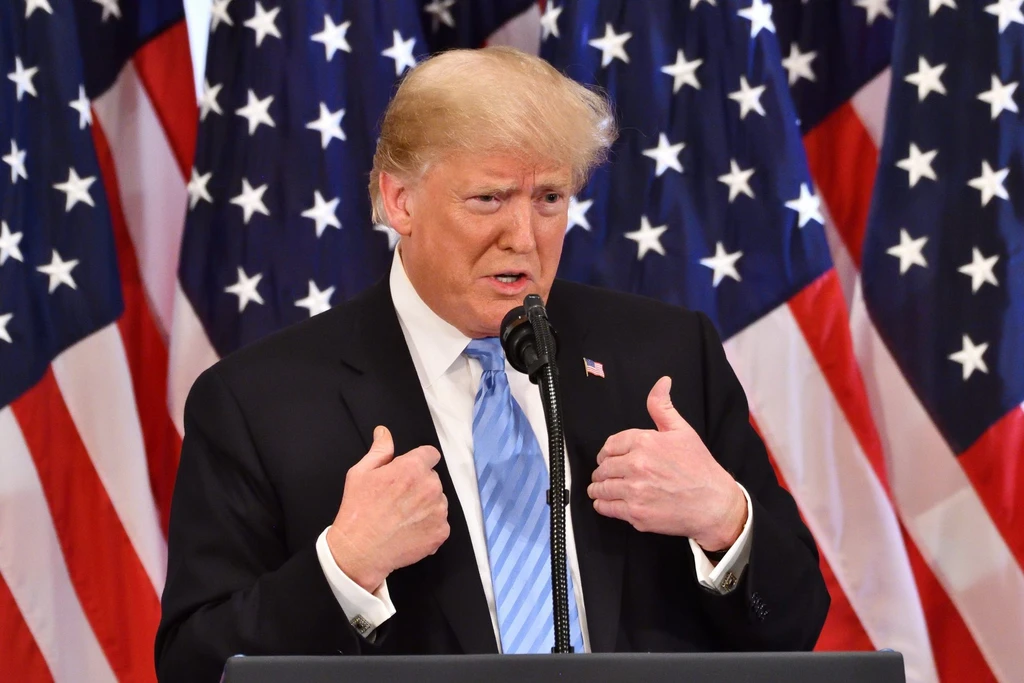
When President Donald Trump began his second term in late January 2025, inflation remained a top concern. A year later, the economic picture reveals sharp contrasts.
Gasoline prices dropped 5.6% from February 2025 to February 2026, easing commuter costs. Used vehicle prices declined 3.2%, reflecting stabilized inventories. Eggs fell 42.1%, butter by 7.6%, and milk, cheese, and other dairy products saw modest decreases.
Fresh fruit, potatoes, and frozen vegetables also declined in price, offering relief in grocery spending.
But rising costs are more persistent. Piped natural gas surged 10.9%, hospital services jumped 7.1%, and electricity rose 4.8%. Restaurant meals increased 3.9% as restaurants pass on labor and ingredient hikes.
These trends highlight a fragmented cost-of-living landscape-some essentials are more affordable, while core household expenses continue to climb.