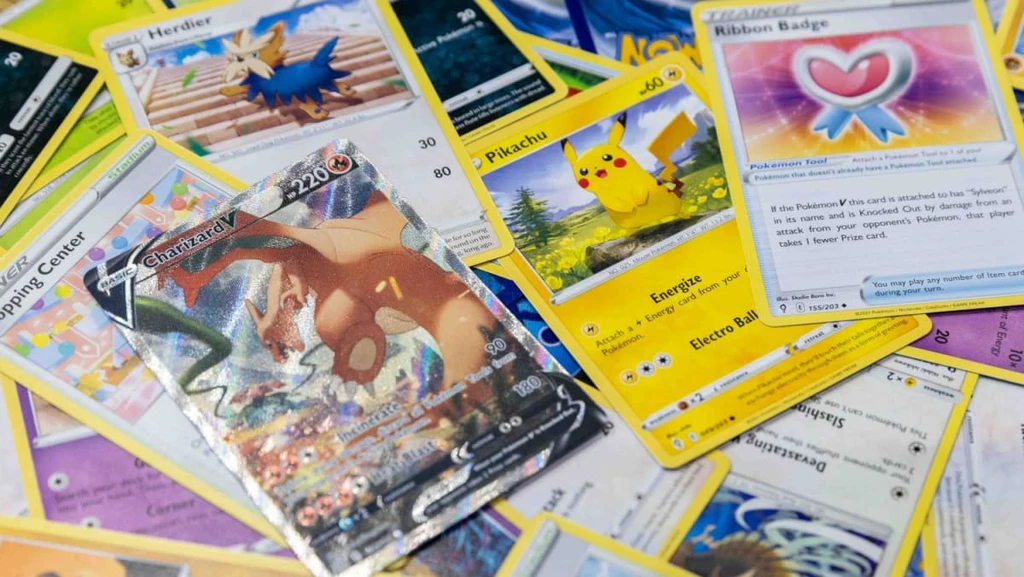
Speculative buying of items like Labubu dolls and Pokemon cards is soaring, fueled by headlines of multi-million dollar sales. A Pikachu Illustrator card recently sold for $16.5 million, and a rare Labubu set fetched $70,900 at auction. However, finance author Dawn Cher warns these are rare exceptions, not the rule.
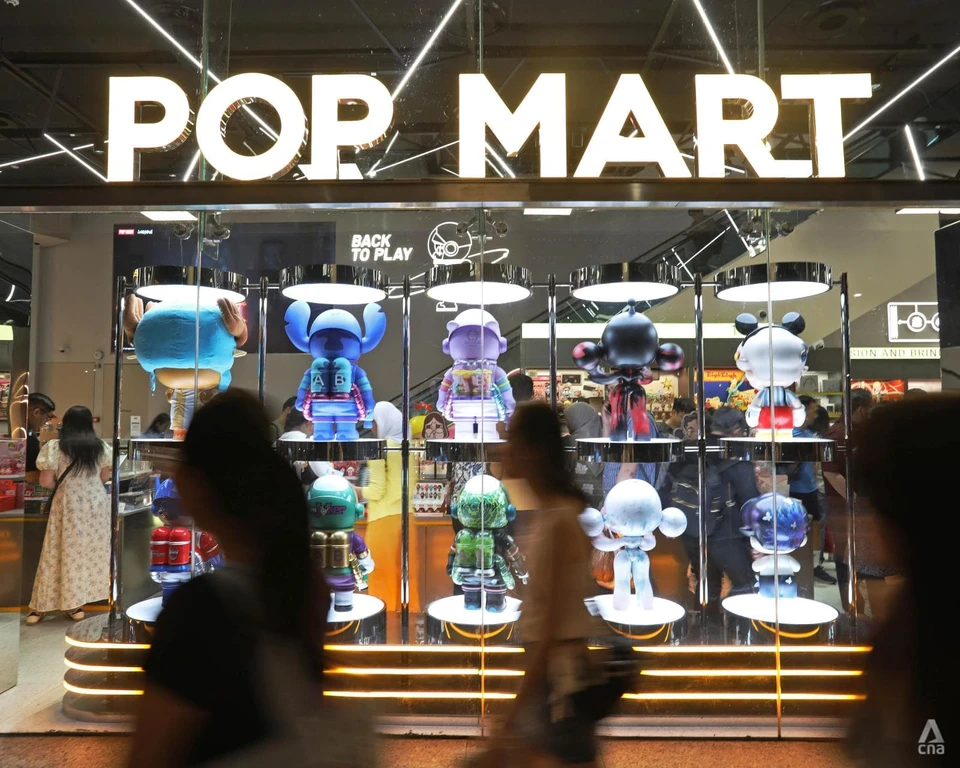
The reality is that most collectibles, including the vast majority of Pokemon cards and Pop Mart figures, never appreciate in value. Many are sold as blind boxes, where rarity-and therefore value-is largely a matter of luck.
Historical examples like Magic: The Gathering confirm the pattern. While trophy cards like the Black Lotus sell for millions, most ordinary cards have flat or negative returns for their holders. Ironically, the parent companies often benefit more. Hasbro's stock has risen over 500% since 1993, a much cleaner bet than holding boxes of cards.
The core problem is manufactured scarcity. When an item is marketed as a collectible from day one, most buyers preserve it in mint condition. If thousands do the same, the item never becomes genuinely rare. The few truly valuable cards are often prize cards or contest giveaways-items that were rare by accident, not by design.

Cher advises treating collectibles as hobbies, not investments. Buying for joy is fine. Buying solely for profit is a high-risk gamble. The safest way to benefit from a franchise's success is typically owning shares in the parent company, not amassing inventory of its products.