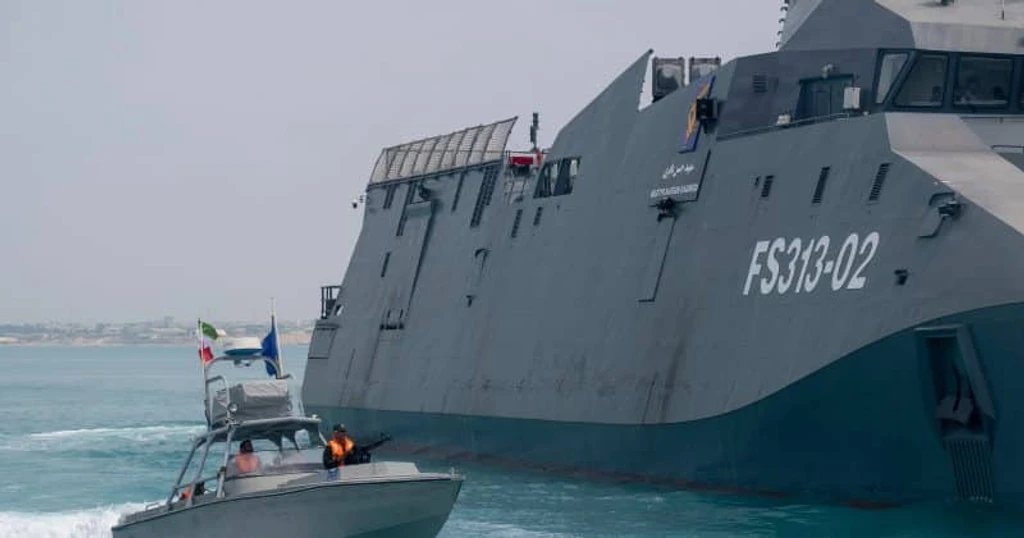
A drone struck the Singapore-flagged container ship M/V Ever Lovely in the Strait of Hormuz on June 25. The attack, attributed to Iran’s Islamic Revolutionary Guard Corps, caused minor damage but no injuries.
The vessel, owned by Taiwan’s Evergreen Marine, continued its journey. The United States responded the following day with airstrikes on four Iranian military sites, describing the action as a limited but powerful response.
The UK Maritime Trade Operations and the International Maritime Organization issued alerts. The IMO temporarily suspended evacuations for stranded vessels, as Iran has effectively blocked shipping routes since late February.
The Strait of Hormuz handles roughly 20% of global oil and liquefied natural gas trade. A fragile ceasefire, established in mid-June to reopen lanes, was tested by this attack.
Since mid-March, Iran has required Bitcoin payments for transit tolls. Fees are steep, reaching up to two million dollars per vessel or one dollar per barrel of oil transported. Reports also indicate a new insurance framework called Hormuz Safe for Bitcoin-settled maritime coverage.
For investors, this creates consistent, non-speculative demand for Bitcoin if hundreds of vessels pay these tolls. However, demand could evaporate if the international community forces Iran to abandon the system or if transit normalizes. Western governments are also likely to impose regulatory pressure on this sanctioned-nation trade infrastructure.