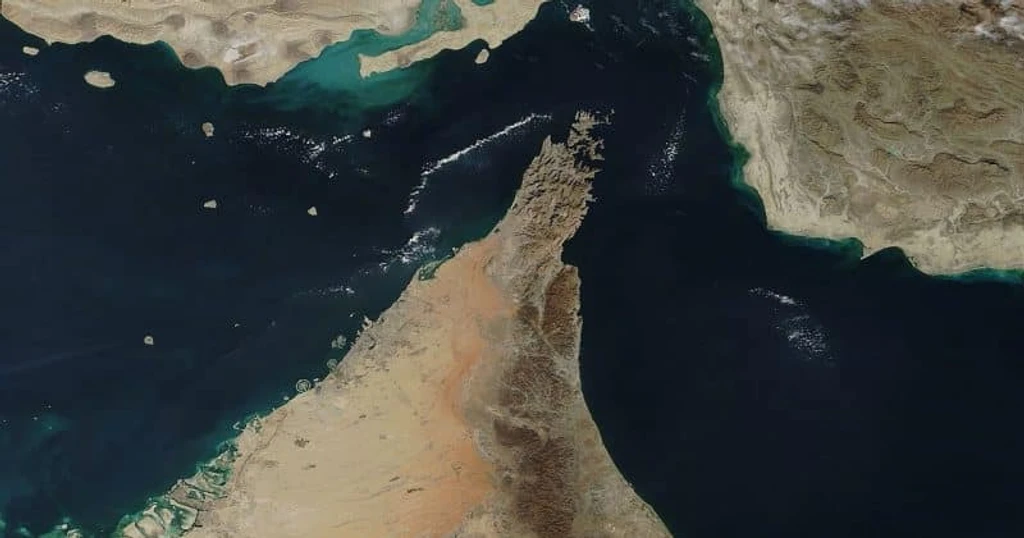
Iran has issued a new directive for the Strait of Hormuz. All vessels must now coordinate exclusively with the Islamic Revolutionary Guard Corps naval forces for transit. Ships must use international maritime Channel 16 and follow routes sanctioned by Tehran. Non-compliance could result in punitive actions.
This narrow passage between Iran and Oman is critical. Roughly 20% of the world's seaborne crude oil flows through it, making it a global energy chokepoint. The IRGC recently demonstrated its operational capacity by coordinating 26 vessel passages in a single 24-hour period.
Reports also indicate Iran explored using crypto-based tolls for maritime transit. This approach would help circumvent international sanctions that complicate traditional banking channels. Stablecoins, rather than Bitcoin, appear more practical for such a fee structure due to price stability.
The move has significant implications. For oil markets, it adds friction, potentially increasing shipping costs and insurance premiums, which could pressure prices. For the crypto sector, it provides ammunition for Western regulators to push for tighter controls on stablecoins and cross-border transfers to counter sanctions evasion.