The escalating crisis in the Middle East has dramatically altered the outlook for Asian central banks, presenting a challenging choice between supporting economic growth and combating inflation due to a significant supply shock.
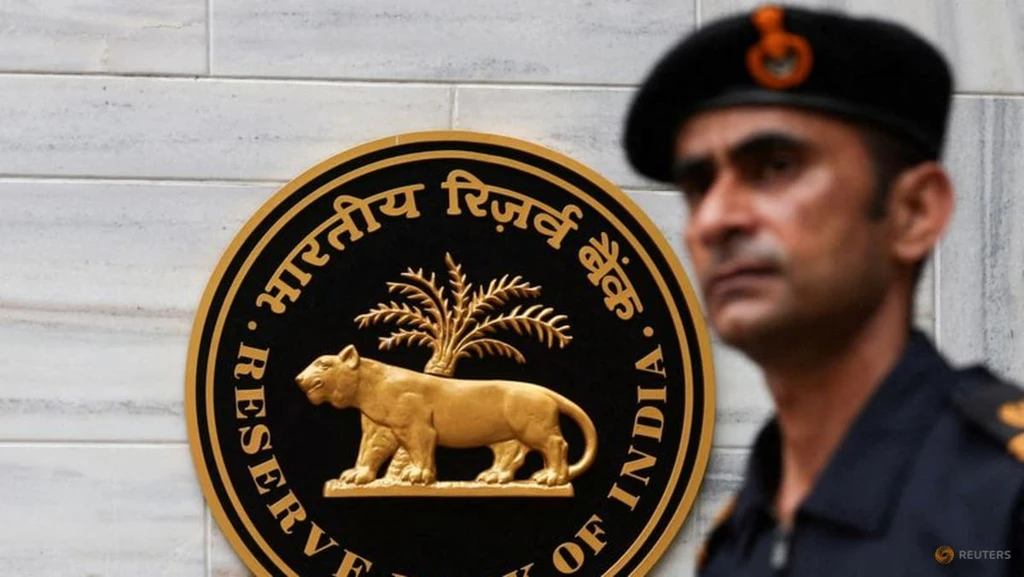
Emerging Asian central banks face risks in cutting interest rates, not only from rising fuel costs but also from potential capital outflows driven by worsening terms of trade with the U.S. Sources indicate the Reserve Bank of India may prioritize growth with low interest rates, but a surge in demand for the safe-haven dollar, fueled by the U.S.-Iran conflict, could necessitate currency intervention.
Economists suggest Thailand and the Philippines might be compelled to shift from their dovish monetary policies despite the economic impact of rising fuel costs. The ongoing conflict heightens the risk of stagflation, forcing central banks into difficult decisions under pressure from markets and governments.
Share markets declined and the U.S. dollar strengthened as oil prices surpassed $110 a barrel, fueling fears of a prolonged Middle East war impacting global energy supplies and inflation, potentially leading to central bank rate hikes.
Manufacturing-reliant economies like South Korea and Japan, dependent on global trade and stable raw material costs, are particularly vulnerable to the crisis's impact.
Developed market central banks, including the Federal Reserve, also grapple with balancing growth, inflation, and political pressures. The Bank of Japan faces a dilemma: sustained high oil prices could significantly hinder its low potential growth. However, with inflation exceeding its target, the BOJ has less room to ignore price pressures and may be forced to continue with rate hikes, despite potential political opposition.
Australia and New Zealand present different challenges. For Australia, sustained oil price hikes risk de-anchoring inflation expectations, potentially requiring higher-for-longer interest rates. New Zealand's economy, already struggling to recover from past rate hikes, faces the prospect of tolerating higher inflation in the short term to avoid tightening into a slowing global economy.
The International Monetary Fund warns that a persistent 10% rise in oil prices could increase global inflation by 0.40 percentage points. Policymakers are advised to 'think of the unthinkable' and prepare for such scenarios.