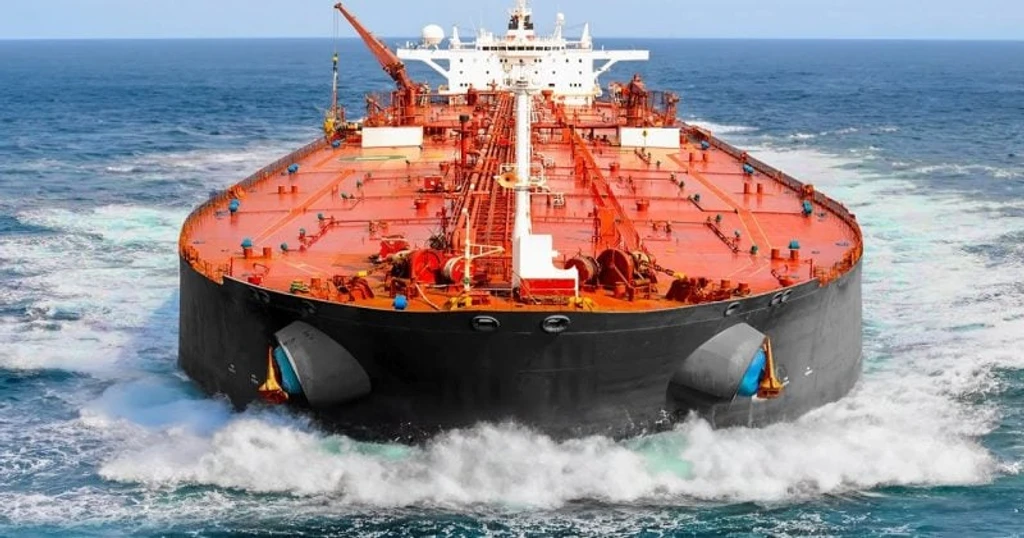
Iran reportedly shipped oil worth $6 billion to China during a brief ceasefire window, generating critical revenue before sanctions enforcement resumed. The cyclical nature of blockades and truces has created a pattern Iran has learned to exploit.
China accounts for roughly 90% of Iran’s oil exports. The primary buyers are independent Chinese refiners known as “teapot” refineries, smaller operations that purchase sanctioned crude at steep discounts.
The logistics rely on a shadow fleet of tankers that employ ship-to-ship transfers in open water, obscuring the oil’s origin and making tracking nearly impossible for sanctions enforcers.
Cryptocurrency has emerged as a key sanctions loophole. Crypto trading activity linked to Iranian entities reportedly reached $7.8 billion over the past year, enabling payments for maritime passage fees and direct oil transactions.
The United States has responded by sanctioning crypto platforms Zedcex and Zedxion due to alleged links with Iran’s Islamic Revolutionary Guard Corps. Nobitex, another platform flagged for Iranian crypto activity, has also drawn scrutiny.
The Strait of Hormuz carries roughly a fifth of global oil. Bitcoin and other digital assets have shown notable volatility in response to developments in the region, absorbing geopolitical shocks quickly.
If a nation under some of the world’s heaviest sanctions can generate $7.8 billion in crypto activity, it raises questions about enforcement limits. The sanctioning of these platforms signals U.S. regulators view crypto-enabled sanctions evasion as a national security issue.